•


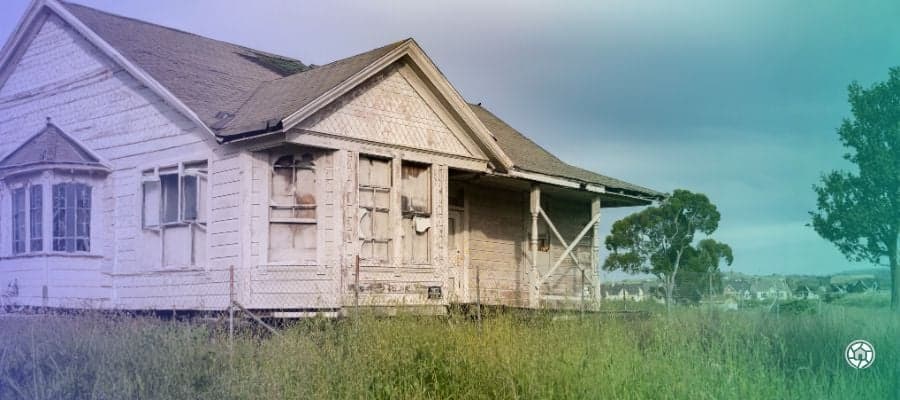

Abandoned properties can be some of the most affordable deals an investor will ever find. The owner has walked away, the home often needs work, and there is usually far less competition than you would face on a listed property. That combination is what makes these homes worth learning about.
The tradeoff is that the process is different from a normal purchase. You often have to confirm who controls the property, track down the right person, and understand the condition before you commit.
What Counts as an Abandoned Property?
An abandoned home is one where the owner has stopped maintaining it and, in most cases, has given up their rights to it. Total property abandonment usually happens after unpaid property taxes, a completed foreclosure, an inheritance no one wanted, or a long financial hardship. Control of the home often shifts to a lender, a local government, or a court.
There is no single national definition. Whether a home is legally abandoned is decided by state law and local ordinances, and the timeline varies from place to place.
According to Cornell Law School's Legal Information Institute, abandonment generally requires both the intent to give up the property and an action that matches that intent. Title is not automatically erased just because a home sits empty, which is why confirming status matters before you spend any money.
Abandoned vs. Vacant vs. Condemned
These three terms get used as if they mean the same thing, but they do not. The difference affects who you deal with and how you buy. Here is a simple breakdown.
| Type | What It Means | Who Controls It | How You Usually Buy |
|---|---|---|---|
| Abandoned | Owner has left and given up their rights | A bank, government, or court | Auction, tax sale, or the controlling entity |
| Vacant | Empty, but still has a legal owner | The current owner | Direct offer to the owner |
| Condemned | Declared unsafe to live in by the government | Owner, but under government orders | Direct offer, with repairs required to reoccupy |
The takeaway is straightforward. A home that looks neglected from the street could be any of the three. If you want the full comparison, our guide on the condemned house question goes deeper, and the vacant property guide covers homes that still have owners you can reach directly.
Why Investors Look at Abandoned Properties
The main draw is price. Because these homes are distressed and the sellers are often motivated to move on, they tend to sell below market value. That leaves room for profit after repairs, whether you plan to flip the home or hold it as a rental.
A few other advantages are worth noting:
- Less competition. Many buyers avoid distressed homes because of the extra steps, so you are not always bidding against a crowd.
- Steady supply. These properties exist in nearly every market. The U.S. Census Bureau has counted millions of vacant homes nationwide, and a share of those are genuinely abandoned.
- Room to add value. A home in poor shape gives you the chance to increase its worth through renovation.
It is fair to be clear about the risks too. Repair costs can run higher than expected, financing is harder to arrange, and an unexpected lien can follow the property to you. None of these are reasons to avoid abandoned homes. They are reasons to do your homework before you buy, which the next sections cover.
How to Find Abandoned Properties
Finding candidates is the easy part. Confirming ownership is where it gets hard. Here's what works:
Drive the Neighborhoods You Know
Look for overgrown lawns, piled-up mail, boarded windows, no vehicles. Log the address, research it later.
Check County and Tax-Delinquent Records
The county tax office can list homes with unpaid taxes; many are vacant. The clerk or recorder's office holds foreclosure filings and code violations. Public records and strong abandonment signals long before a home hits the market.
Watch Auctions and Bank-Owned Listings
Foreclosure auctions, tax deed sales, and REO properties sell as-is, often below market. Check your local auction schedule or online sites. One caution: some tax sales have a redemption window, so the former owner can reclaim the home by paying what they owe. Read the terms before you bid.
Pull a Targeted List with Software
Driving one street at a time doesn't scale. Data software filters for what actually produces abandoned homes: high equity, tax delinquency, out-of-state owners, long ownership with no activity.
How to Buy an Abandoned Property
Once you know who controls the home, the purchase follows a clear sequence. The details shift depending on whether you're buying from an owner, a bank, or the government, but the core process holds.
Step 1: Confirm the Property's Status
Verify the home is truly abandoned, not just vacant. Public records show who holds legal rights. Bank or government entity? Follow their process. Private owner? Approach them directly.
Step 2: Inspect and Estimate Repairs
Distressed homes hide serious problems: foundation damage, mold, outdated systems. Get an inspection, estimate repair costs, then calculate after-repair value. That tells you the most you can pay and still profit. Our guide to buying an abandoned house breaks down the numbers.
Step 3: Check for Liens
Unpaid taxes and contractor liens travel with the property to the new owner. A title search lists everyone with an interest in the home. Run it before you close, not after the deed is in your name.
Step 4: Line Up Financing
Badly distressed homes rarely pass appraisal, so traditional mortgages are hard to get. Cash is simplest. Otherwise, most investors use hard money loans or short-term financing built for exactly this. Include interest and fees in your total cost.
Step 5: Make the Offer or Place the Bid
At auction, follow the bidding instructions and bring any required deposit. Buying directly, offer based on the numbers you ran. Motivated seller plus a home that needs work means real room to land below market.
Frequently Asked Questions
Can you claim an abandoned house for free?
It is rare, but possible in limited cases. Some local governments will transfer a problem property to a buyer who agrees to renovate it and bring it up to code. In other situations, an owner may hand off a home for very little. True free acquisition is uncommon, so treat it as the exception rather than the plan.
How long before a property is legally abandoned?
There is no single answer. The timeline is set by state law and local ordinances and can range from months to several years, often tied to unpaid taxes or a completed foreclosure. Always confirm the rules in the property's specific location before you rely on any timeline.
How do you buy abandoned homes with no money?
Most investors who buy without their own cash use hard money loans or private lenders, which provide short-term funding for distressed purchases. Some also partner with a cash investor or use creative financing. Keep in mind you will still need to cover repairs, so plan your full budget before you commit.
Is buying abandoned property a good investment?
It can be, when the numbers work. The low purchase price and lighter competition create real upside, but repair costs and title issues can erase your margin if you skip due diligence. Inspect the home, check for liens, and calculate your after-repair value before you buy; abandoned homes can be a strong addition to a portfolio.