

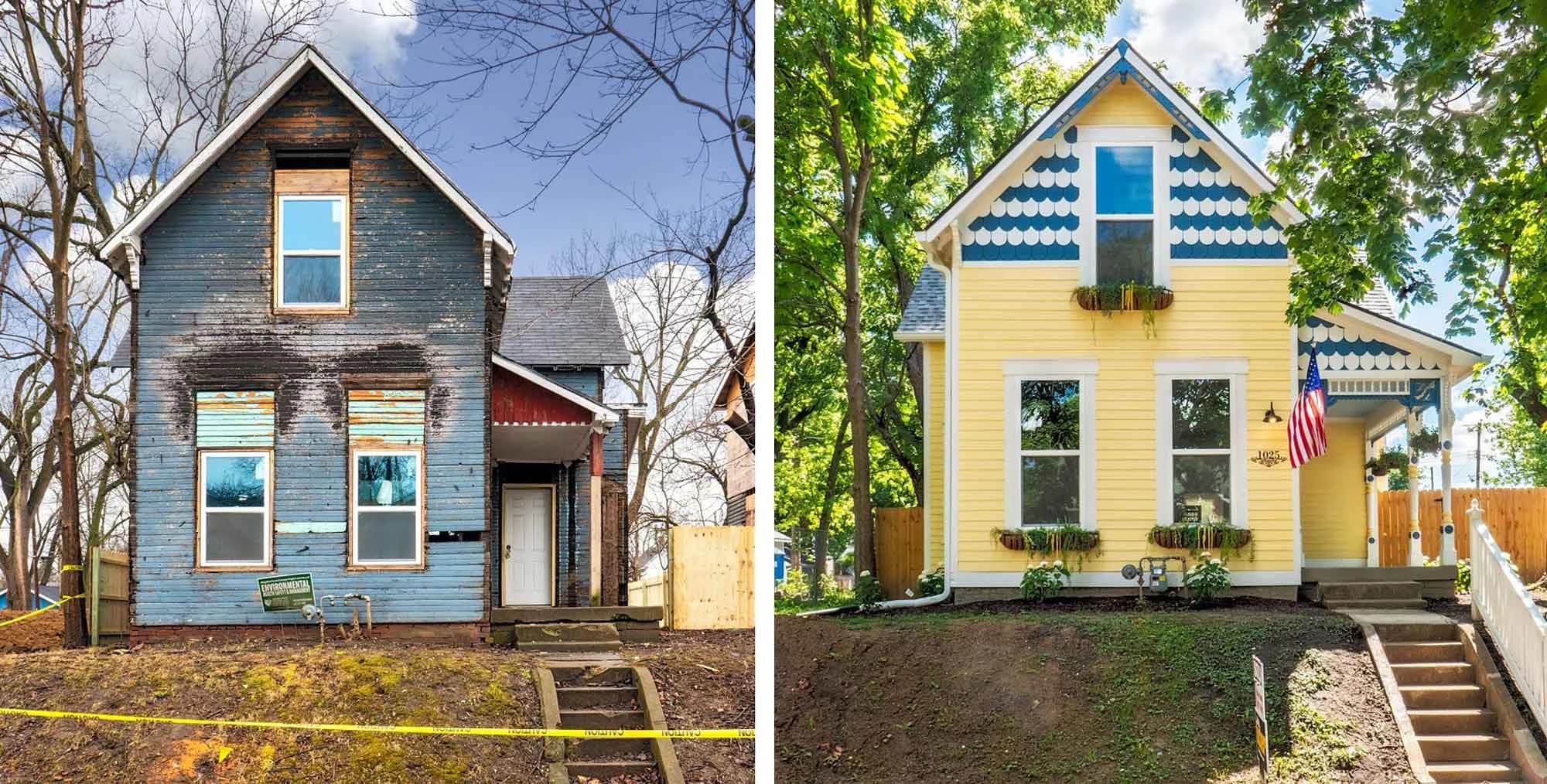

How to flip a house: an overview
Quick answer: House flipping means buying a property, planning and completing renovations, then reselling it. Start by researching your market, estimating every project cost, inspecting the property, arranging suitable financing, and checking local rules. A flip can lose money or take longer than planned, so do not proceed unless the numbers and risks work for you.
How to flip a house, step by step
- Learn the process. Understand acquisition, inspection, renovation, financing, holding costs, resale, and taxes before committing money. Speak with qualified local professionals about areas outside your experience.
- Research your market. Compare recent sales of similar properties and learn which locations and property types have active demand. Public records and local real-estate professionals can help, but neither guarantees a sale price.
- Choose how you will find a property. Options include local agents, public listings, networking, and direct outreach where permitted. Compare the time, expense, and risks of each approach. A vacant or neglected appearance does not show that an owner wants to sell.
- Set a project budget. Estimate purchase and closing costs, inspection, renovation, permits, utilities, insurance, financing, taxes, maintenance, and selling costs. Get current estimates for the specific property and include room for unexpected work. Do not rely on a fixed formula as a promise of profit.
- Inspect before you commit. Use qualified inspectors and contractors to assess structure, systems, safety, and likely repairs. Confirm permit requirements and investigate issues that may affect costs or resale.
- Evaluate financing and cash needs. Compare available financing, fees, repayment terms, and the cash needed for the purchase and work. A contract, assignment, or financing arrangement does not remove financial or legal risk. Have a qualified local professional review terms.
- Make a conservative offer. Estimate resale value from comparable completed sales, then account for all costs, uncertainty, and your own risk tolerance. Estimates can be wrong; a calculated offer does not guarantee a profitable project.
- Plan and manage the renovation. Define the work, schedule, budget, permits, contractor responsibilities, and payment terms in writing. Track changes and confirm work meets applicable requirements.
- Prepare for resale. Check local requirements, gather renovation records, and set a realistic asking price using current comparable sales and professional advice. Timing and buyer interest vary.
- Review the actual result. Compare sale proceeds with purchase, financing, repair, holding, and transaction costs. One project's result does not predict what another project will earn.
Before you commit
House flipping involves substantial financial and execution risks. Costs, financing, local rules, market conditions, and resale timing vary by property and location. Verify assumptions with current, property-specific information and qualified professionals. Do not rely on a seller's motivation, a buyer's interest, an assignment, or a marketing method as a guarantee of a deal.
Frequently asked questions
How do you flip a house?
Research a market, find a property, estimate its full costs, inspect it, arrange financing, plan permitted renovations, and resell it. Each step needs property-specific due diligence, and a flip can lose money.
Can you flip a house without money?
No general method removes the costs and risks. Financing or partnering may change who provides capital and how obligations are shared, but terms vary and may still require cash, fees, guarantees, or other commitments. Review any arrangement with qualified professionals.
How long does it take to flip a house?
There is no reliable fixed timeline. Inspection, permits, renovation, financing, and finding a buyer can each take longer than expected.
Does an assignable contract guarantee a profit?
No. Assignment rights, disclosures, contract obligations, and remedies depend on the written agreement and local law. Review the specific terms with a qualified local real-estate professional or attorney before signing.