•


.png&w=3840&q=75)
Real estate investing is not about luck. The investors who build lasting wealth do it with a clear strategy, consistent systems, and the right tools. None of the tips below are theoretical. They are what working investors do, week after week.
Start With a Clear Investment Strategy
Before you spend time or money chasing deals, decide what kind of investor you want to be. Are you wholesaling, flipping, or building a rental portfolio? Each path has different capital requirements, timelines, and skill sets. Mixing them all at once is a recipe for running in circles.
Pick one strategy, learn it well, and build your process around it. Once you have a repeatable system, you can expand. Most investors who scale successfully start by mastering one niche.
Knowing your strategy also focuses your marketing. A wholesaler needs motivated sellers. A buy-and-hold investor needs properties in stable rental markets. Your outreach should match your goals.
Choosing Between Wholesaling, Flipping, and Rentals
Wholesaling is one of the lowest-barrier entry points in real estate because it requires minimal capital. You find a deal, put it under contract, and assign that contract to another buyer for a fee. Flipping requires more capital and contractor relationships but can generate larger short-term returns. Rentals are a long game that builds passive income and equity over time.
Consider your available time, capital, and market knowledge before committing. Talking to active investors in your area who are already doing what you want to do is one of the best ways to get a realistic picture of what each strategy demands.
Understand Wholesaling Laws Before You Do Your First Deal
Wholesaling laws have changed significantly across the country in the past few years, and the changes are still coming. If you plan to wholesale, knowing the rules in your state is not optional. Getting this wrong can mean fines, voided contracts, or worse.
The general principle is straightforward: if you have an equitable interest in a property through a signed purchase contract, you can typically assign that contract without a real estate license. What you cannot do in a growing number of states is publicly market a property you do not own as if you were a licensed agent.
Here is a quick breakdown of states with notable rules as of 2025 and 2026:
- Illinois: Under the Real Estate License Act, unlicensed wholesalers are limited to one transaction per 12-month period. Doing a second deal without a broker's license is classified as a Class A misdemeanor. Written disclosure of assignment intent to the seller is also required.
- Oklahoma: The Predatory Real Estate Wholesaler Prohibition Act, updated with SB 1075 effective late 2025, requires a license if you publicly market your equitable interest in a contract. Private marketing to known buyers is treated differently.
- Maryland: Effective in late 2025, wholesalers must provide the seller with written disclosure that the contract may be assigned. Without it, the seller retains the right to rescind.
- Nebraska: Passed in 2024, LB 860 requires a real estate license to publicly market an equitable interest in a property.
- Connecticut: Beginning July 2026, wholesalers must register with the Department of Consumer Protection and provide sellers a three-day cancellation window.
- South Carolina: The state closest to an outright ban on unlicensed wholesaling. House Bill 4754, enacted in 2024, classifies wholesaling as a brokerage activity.
Laws are moving fast in this space. Always verify the current rules in your state with a licensed real estate attorney before closing your first deal. The National Real Estate Investors Association (National REIA) is a good starting point for connecting with local chapters that track regulatory changes.
Find Off-Market Properties Before Your Competition Does
The best investment deals rarely show up on the MLS at the right price. Inventory has remained historically tight in recent years, and when a property hits the open market, competition drives prices up fast. That is why serious investors spend most of their time looking for deals that are not publicly listed.
According to the National Association of Realtors, around 10% of home sales occur without ever being listed on the MLS. For investors specifically, the off-market share is significantly higher. A survey of 50 real estate investors found that roughly 40% of purchases came from off-market sources, a split that surprised even the researchers.
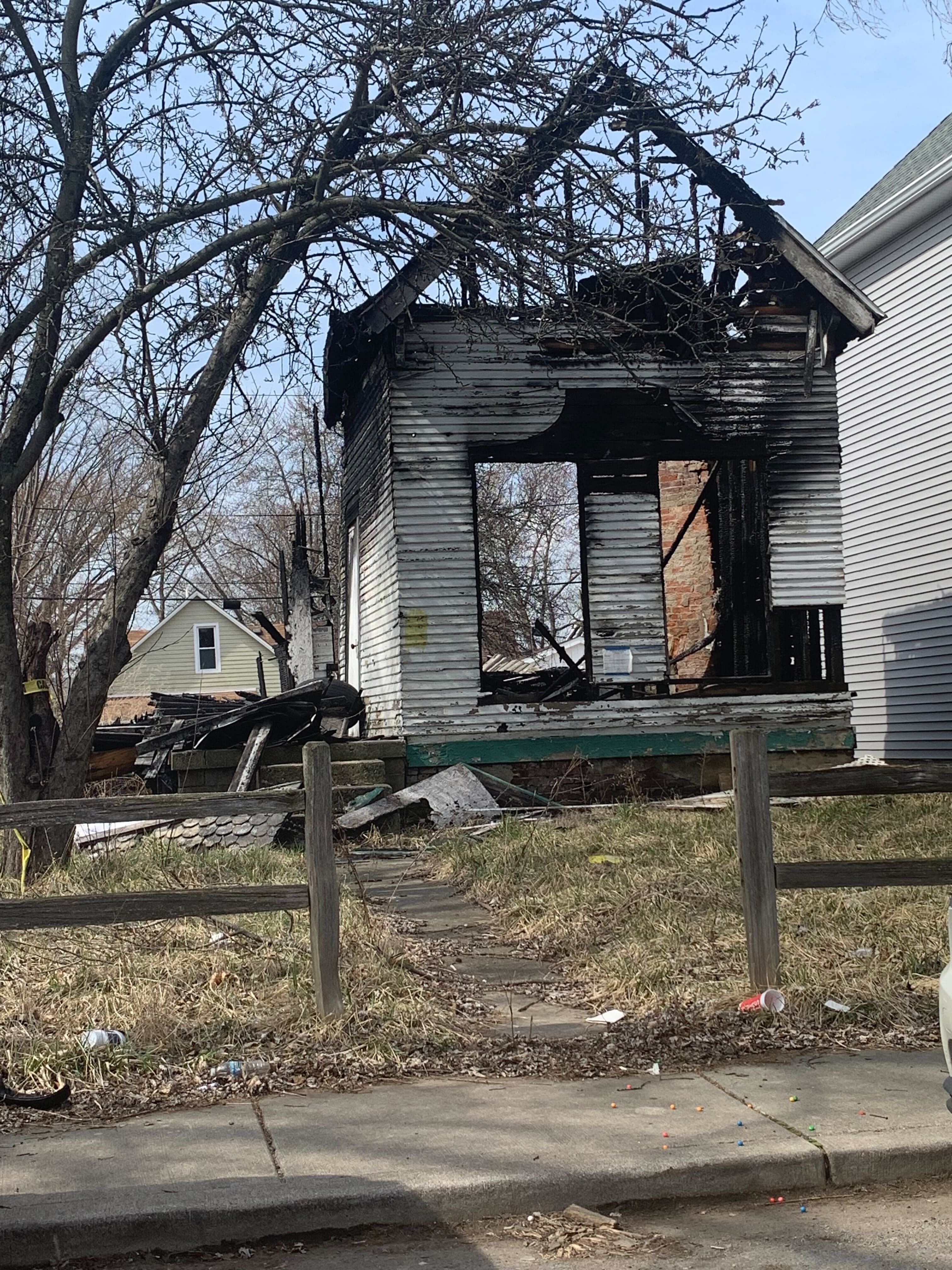
One of the most reliable methods for finding these deals is driving for dollars. This means physically driving neighborhoods to spot distressed, vacant, or neglected properties whose owners may be motivated to sell below market value. The competition for these leads is far lower than anything you will find on a public listing site.
Other High-Quality Sources for Off-Market Leads
Driving for dollars is one piece of a broader lead strategy. Tax-delinquent lists, probate records, absentee-owner lists, and direct-mail campaigns are all proven sources. The goal is to reach sellers before they think to list publicly.
Many experienced investors run two or three lead sources simultaneously and track which channels produce closings. DealMachine helps with this by pulling targeted lists and automating direct mail outreach within a single workflow, so you can manage multiple channels without adding hours to your week.
Build a Follow-Up System That Does the Heavy Lifting
Most real estate deals do not close on the first contact. Sellers often need weeks or even months before they are ready to move. If you are only following up once or twice and moving on, you are handing deals to the investor who stayed in the conversation.
According to RAIN Group's Top Performance in Sales Prospecting research, it takes an average of eight touchpoints just to get an initial meeting with a new prospect. Getting to the deal itself requires even more. Yet research from Invesp shows that nearly half of all salespeople never attempt a second follow-up after the first contact.
The flowchart above maps out how a structured 8-touchpoint sequence looks in practice, including which channel to use at each stage. The investors who win are simply the ones still in the conversation three, six, and even twelve months later.
How to Structure a Follow-Up Sequence That Works
A solid follow-up sequence hits leads at regular intervals across multiple channels. That might look like a direct mail piece every three to four weeks, a text message in between, and a phone call when the timing feels right. The channel matters less than showing up consistently.
Set up your sequence once and let it run. Tools that handle automated follow-up let you stay on top of hundreds of leads at once without manually tracking each one. When a seller is finally ready to move, you want to be the person they remember.
Know Your Numbers Before You Make an Offer
Every successful real estate investor knows their numbers inside and out. You need to understand your maximum allowable offer, estimated repair costs, holding costs, and target profit before you ever make a call to a seller. Getting this wrong is the fastest way to lose money.
The Core Metrics Every Deal Needs
Here is a quick breakdown of the numbers you need to calculate on every deal before making an offer:
- After-repair value (ARV): The estimated market value of the property after renovations are complete
- Maximum allowable offer (MAO): The highest price you can pay and still hit your profit target
- Estimated repair costs (ERC): What it will realistically cost to bring the property to sellable condition
- Holding costs: Property taxes, insurance, utilities, and loan interest while you own the property
- Assignment fee or net profit: What you actually walk away with after all costs are paid
Run these numbers on every deal without exception. The discipline of calculating your MAO before speaking with a seller keeps emotion out of the process and protects your margins.
A Practical Example of the MAO Formula in Action
Here is how a straightforward wholesale deal might look when you apply the formula to a real scenario:
Property: 3-bedroom, 2-bath home in a working-class neighborhood
ARV (based on comps): $180,000
Estimated repair costs: $30,000
Target wholesale assignment fee: $10,000
Buyer's target margin (70% rule): $180,000 x 0.70 = $126,000
Maximum allowable offer: $126,000 - $30,000 - $10,000 = $86,000
This is a simplified version of how the 70% rule is applied in wholesaling. Your MAO keeps you from overcommitting and ensures the buyer on the other side of your assignment still has a workable deal. The DealMachine real estate comps tool is a free resource for quickly pulling recent comparable sales, so you are working from real data, not guesses.
Use Technology to Do More With Less Time
Investors who scale quickly are using technology to handle the repetitive parts of their business. That means apps for finding leads, platforms for managing contacts, and automation for follow-up marketing. The goal is not to replace the personal side of the business but to protect your time so you can focus on building relationships and closing deals.
Think of your tech stack as the infrastructure of your business. Without it, growth hits a ceiling fast. With it, one investor can manage a pipeline that would otherwise require a small team.
What a Solid Real Estate Tech Stack Looks Like
You do not need a dozen tools. A focused set covering the most important functions is enough. At minimum, look for tools that cover:
- Lead sourcing and property data
- Owner contact information (skip tracing)
- Automated follow-up and direct mail
- Deal analysis and comparable sales
- Pipeline and contact management
DealMachine combines these functions into a single platform. Its AI assistant, Alma, lets investors ask questions about specific properties and get instant, data-backed answers, reducing research time for each deal.
Network With Other Investors to Multiply Your Deal Flow
Real estate is a relationship business. Some of the best deals come from other investors who have more leads than they can handle or who need to move a property quickly. If you are not showing up in those conversations, you are missing a real source of deal flow.
Attend local real estate investor association meetings, join online communities, and stay connected with wholesalers and agents who are active in your market. Even one solid relationship with a motivated wholesaler can change the shape of your year.
The DealMachine investor community on Facebook connects investors across the country. Sharing what you are learning, asking questions, and helping others builds a reputation that eventually brings opportunities to you without you having to chase them.
How to Get the Most Out of Investor Networking
Show up consistently, not just when you need something. The investors who get the most from their network are the ones who contribute regularly. Share a deal tip, refer a contractor, or introduce two people who should know each other. That kind of generosity comes back around.
You can find local real estate investor association chapters near you through the National Real Estate Investors Association (National REIA). Most chapters hold monthly meetups and are welcoming to investors of all experience levels.
Putting It All Together
The most successful real estate investors are not necessarily the most talented. They are the most consistent. They know their numbers, they show up for their leads long after others have given up, they stay on the right side of their state's laws, and they keep improving their systems over time.
Start with one or two of these areas and build from there. A sharper follow-up sequence, a clearer deal formula, or one new lead source can make a meaningful difference in your results over the next few months. Small improvements in the right places compound quickly.
The combination of a solid strategy and the right technology makes growth more predictable. Both pieces matter. Pick the area where your business has the most room to improve and get started there.
FAQs
What Is the Best Strategy for a First-Time Real Estate Investor?
Most first-time investors do well starting with wholesaling because it requires the least capital and teaches you how to find deals, talk to sellers, and analyze properties before you have significant money at risk. Once you have closed a few wholesale deals, you will have a much stronger foundation for moving into flipping or buy-and-hold investing.
Is Wholesaling Real Estate Legal?
Wholesaling is legal in most states, but the rules vary significantly and are changing fast. Several states, including Illinois, Oklahoma, Maryland, Nebraska, and Connecticut, have passed laws requiring disclosure, registration, or licensing depending on how and where you market your deals. Always check the current laws in your state with a licensed real estate attorney before you start.
How Many Times Should You Follow Up With a Motivated Seller?
Research from the RAIN Group shows that it takes an average of 8 touchpoints to get an initial meeting with a new prospect. Getting to a signed contract typically requires even more. The biggest mistake investors make is stopping after one or two attempts. Set up an automated follow-up sequence that keeps you in front of sellers over several months so you are there when their situation changes.
Do I Need a Lot of Capital to Start Investing in Real Estate?
Not necessarily, depending on the strategy you choose. Wholesaling requires very little upfront capital because you assign contracts rather than purchase properties. Fix-and-flip and rental strategies require funding, but many investors use hard-money loans or private lenders to get started without tying up all their own cash.
What Tools Do Real Estate Investors Actually Use?
At minimum, active investors need a way to source leads, find owner contact information, follow up automatically, and analyze deals. Platforms like DealMachine are built to handle all those functions in one place, including driving-for-dollars tools, skip tracing, direct mail automation, and an AI assistant to help evaluate properties on the go.