•


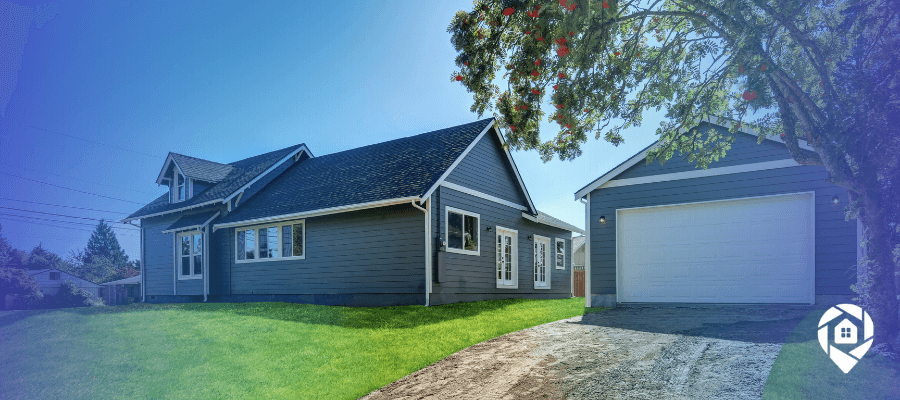

If you own a home in Los Angeles, you may be wondering whether you can build an ADU on your property. In many cases, the answer is yes. ADUs Los Angeles homeowners build are becoming more common because they create flexible living space and can add long-term value.
An ADU, or accessory dwelling unit, is a smaller home built on the same lot as a primary house. It can be a detached backyard unit, a garage conversion, or an attached addition. These spaces are often used for family, guests, or rental income.
What Is an ADU?
ADUs are separate living spaces with the basics needed for daily life, such as a kitchen, bathroom, and sleeping area. They give property owners more options without needing to buy a second lot.
Common types include:
- Detached units built in the backyard
- Garage conversions
- Attached units connected to the main house
- Interior conversions within an existing home
For many owners, accessory dwelling units are a practical way to make better use of the space they already have.
Can You Legally Build an ADU in Los Angeles?
In many residential areas, yes. Los Angeles and the state of California have made it easier for homeowners to add ADUs in recent years. That said, your property still needs to meet local rules.
A few things usually matter most:
- Lot layout
- Setback requirements
- Height limits
- Utility access
- Existing structures on the property
The City of Los Angeles has rules that guide where and how an ADU can be built. Even with more ADU-friendly laws in place, every property is a little different. That is why it helps to review your lot early before making plans.
Why Homeowners Add ADUs
People build ADUs for different reasons, but the goal is usually the same: more flexibility.
Here are some of the most common benefits:
- Space for family members, such as aging parents or adult children
- A private guest space
- Potential rental income
- Better use of underused garages or backyard space
- Added property value over time
This is a big reason ADUs Los Angeles property owners invest in continue to grow in popularity. They can solve a real need now while also helping the property work harder in the future.
What Should You Think About Before Building?
Before moving forward, take a practical look at your property and your budget. Not every lot is equally easy to build on, and costs can vary based on design, site conditions, and permits.
Start by asking:
- Is there enough room on the lot?
- Will you convert existing space or build new?
- Do you need utility upgrades?
- What is your total budget, including permits and construction?
- Will the unit be used by family or as a rental?
These questions can help you avoid surprises and make better decisions from the start.
How Does the Permit Process Work?
The permit process usually begins with plans that show the size, layout, and placement of the ADU. Those plans are submitted for review to make sure they meet local building and zoning requirements.
While the process is more streamlined than it used to be, it still takes time and attention to detail. Working with experienced professionals can make a big difference. Many homeowners choose to talk with a designer, contractor, or local expert before submitting anything.
That early guidance can save time, reduce mistakes, and help your project stay on track.
Are ADUs a Good Investment?
For many homeowners, they can be. An ADU may create rental income, improve resale appeal, or support multigenerational living. Still, the return depends on your property, build cost, and long-term plans.
It helps to think beyond short-term profit. The best ADU projects usually support both lifestyle needs and property value. That kind of balance is what makes accessory dwelling units such a strong option for many Los Angeles homeowners.
Final Thoughts
Adding an ADU in Los Angeles can be a smart move, but it starts with good planning. You need to understand your property, know the local rules, and have a clear budget before you begin.
If you are considering an ADU, start simple. Review your lot, talk with local professionals, and map out how the space will serve you over time. A well-planned ADU can create more room, more flexibility, and more value without overcomplicating your property.
FAQ
What does ADU mean?
ADU stands for accessory dwelling unit. It is a secondary housing unit on the same lot as a main home.
Can I convert my garage into an ADU in Los Angeles?
In many cases, yes. Garage conversions are one of the most common ADU types, but they still need to meet city rules and permit requirements.
Do ADUs increase property value?
They often can, especially when they add usable living space and fit the property well.
Can I rent out my ADU?
Many homeowners do, but you should review current local rules before making rental plans.
What is the first step before building an ADU?
The best first step is to check whether your lot can support the project and speak with a local professional about zoning, design, and permits.