•


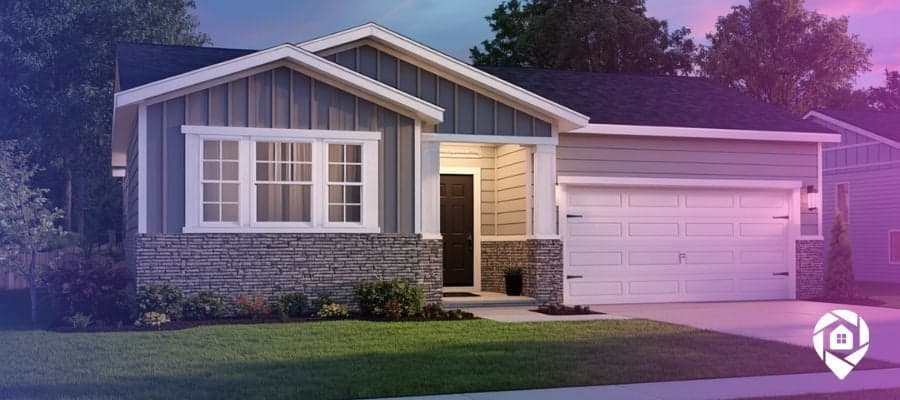

Are Manufactured Homes a Good Investment?: overview
Quick answer: In today’s real estate market, many investors are looking for smarter and more affordable ways to grow their income.
What this guide covers
- Understanding Manufactured Homes
- Why Investors Are Paying Attention
- Pros of Investing in Manufactured Homes
- 1. Lower Cost, Higher Accessibility
In today’s real estate market, many investors are looking for smarter and more affordable ways to grow their income. Rising home prices and higher interest rates have made traditional investing harder. That’s why more people are asking: are manufactured homes a good investment?
The short answer is yes, but only if you understand how they work and where they fit in your strategy.
Manufactured homes are becoming more popular across the U.S. In fact, over 22 million Americans live in this type of housing. That number continues to grow as buyers search for lower-cost options. For investors, this creates a strong opportunity to meet demand while keeping costs down.
In this guide, we’ll break things down in a simple way so you can decide if this investment is right for you.
Understanding Manufactured Homes
Manufactured homes are often confused with mobile homes, but they are not the same. While both are built in factories, modern manufactured homes follow strict building rules set by HUD (the U.S. Department of Housing and Urban Development).
These homes are:
- Built off-site in a controlled environment
- Transported to the land after construction
- Installed as a finished product
This process helps lower costs and speed up build time.
It’s also important to understand how they compare to modular homes. While both are factory-built, modular homes are assembled in sections on-site and often follow local building codes. Manufactured housing follows a national standard instead.
Over the years, manufactured homes have vastly improved. Today’s models can include:
- Drywall interiors
- Open floor plans
- Energy-efficient systems
- Modern kitchens and bathrooms
Because of these upgrades, many buyers can’t tell the difference between a manufactured home and a traditional house.
Why Investors Are Paying Attention
Real estate is all about supply and demand. Right now, there is a major shortage of affordable housing in many parts of the country.
This is where manufactured housing stands out.
Instead of building a home from the ground up, investors can:
- Buy land at a discount
- Place a manufactured home on it
- Sell or rent it at a competitive price
This simple model can open the door to more buyers and renters.
For example, many families cannot afford a $400,000 home. But a manufactured home priced around $200,000 becomes much more realistic. That lower price point brings in a larger pool of potential buyers.
Pros of Investing in Manufactured Homes
There are several strong reasons why investors are moving into this space. Let’s break down the biggest advantages.
1. Lower Cost, Higher Accessibility
One of the biggest benefits is affordability.
Manufactured homes typically cost 10% to 20% less per square foot than traditional single-family homes. This means you can get started in real estate with less money upfront.
This lower barrier to entry is ideal for:
- New investors
- People leaving a 9–5 job
- Investors looking to scale quickly
With lower costs, you can often take on more deals and spread your risk.
2. Strong Demand for Affordable Housing
Affordable housing is one of the biggest needs in today’s market.
Many buyers are being priced out of traditional homes due to:
- High interest rates
- Rising home prices
- Limited inventory
Manufactured homes help fill this gap.
Because they are more affordable, they tend to:
- Sell faster
- Attract first-time buyers
- Perform well in rural and suburban markets
This demand helps answer the big question: Are manufactured homes a good investment in today’s market? For many investors, the strong buyer demand makes them a solid option.
3. Faster Build and Setup Time
Time is money in real estate.
Traditional homes can take 6 to 12 months (or more) to build. Manufactured homes are much faster because they are built in a factory.
In many cases:
- The home is completed in weeks
- Installation takes a few more weeks
- The property can be ready to sell in a few months
This faster timeline allows investors to:
- Turn deals quicker
- Reduce holding costs
- Increase yearly deal volume
4. Flexible Investment Strategies
Manufactured homes give investors more ways to make money.
You can:
- Sell the home for a profit (fix-and-flip style)
- Rent it out for monthly cash flow
- Place multiple homes on larger parcels of land, like ADUs
Some investors even combine land investing with manufactured homes to increase profits.
Instead of just selling land for a small margin, they:
- Add a home to the property
- Increase the total value
- Sell to a larger group of buyers
This strategy can significantly boost returns compared to land-only deals.
5. Energy Efficiency and Modern Features
Today’s manufactured homes are built with efficiency in mind.
Many include:
- Energy-saving windows
- Better insulation
- Modern appliances
These features help lower utility costs for buyers and renters, which makes the homes more attractive.
In a market where buyers are watching their monthly expenses closely, this can be a major selling point.
6. Opportunity to Scale Quickly
Because manufactured homes cost less and move faster, investors can often scale more quickly than with traditional homes.
Instead of doing one large deal, you may be able to:
- Complete multiple smaller deals
- Spread your investment across different areas
- Reduce overall risk
This makes manufactured housing appealing for investors who want to grow their portfolio faster.
Cons of Investing in Manufactured Homes
Like any real estate strategy, manufactured housing comes with risks. The key is understanding them so you can avoid costly mistakes.
1. Value Depends on Setup and Location
There is a common belief that manufactured homes always lose value. That is not entirely true.
Older mobile homes, especially those on rented lots, may depreciate over time. But modern manufactured homes can hold their value well and even appreciate when they are:
- Placed on owned land
- Well maintained
- Located in strong markets
In many cases, the land itself becomes the biggest driver of value.
The real risk is not depreciation. It is buying in the wrong area, overpaying, or ignoring local demand. When done right, this type of investment can perform just as well as traditional housing in certain markets.
2. Financing Can Still Be Tricky
Financing is one of the biggest hurdles for new investors.
Some lenders:
- Have stricter requirements
- Charge higher interest rates
- Limit loan options for certain properties
However, this challenge can be managed. Many investors work with FHA loans or lenders who specialize in manufactured housing. Planning your financing early helps keep your deal on track.
3. Zoning and Land Use Rules
Not all land allows manufactured homes.
Before buying, you should always check:
- Local zoning laws
- County restrictions
- Utility access like water, septic, and power
Skipping this step can stop a deal before it even starts. Strong research upfront can save time and money later.
Real-World Example: A Simple Strategy That Scales
A great example of this strategy comes from investor Brent Bowers, who adjusted his approach when land deals began slowing down.
Instead of only selling land, he started adding manufactured homes to his properties.
This one change made a big impact:
- Profits increased from about $10,000 to $50,000+ per deal
- Properties sold faster
- Buyer demand grew because the homes were move-in ready
He noticed that land allowing manufactured homes consistently sold quicker. That insight helped him build a repeatable system.
His process is simple:
- Buy land at a discount
- Add utilities
- Place a new manufactured home
- Sell below the price of traditional homes
This creates a strong advantage. Buyers get a brand-new home for much less, which increases demand and shortens time on market. Check out his full strategy below.
Manufactured Homes vs Traditional Homes
Both options can work. It depends on your goals.
Manufactured homes offer:
- Lower upfront costs
- Faster project timelines
- Access to more buyers at lower price points
Traditional homes offer:
- More consistent long-term appreciation
- Easier financing options
- Wider acceptance in all neighborhoods
If your focus is speed and affordability, manufactured housing can be a strong choice.
Final Thoughts: Are Manufactured Homes a Good Investment?
So, are manufactured homes a good investment?
They can be a powerful option for investors who want lower entry costs, faster deals, and strong demand. But like any investment, success comes down to buying right, choosing the right location, and understanding your market.
As affordable housing continues to be a major need, manufactured homes are likely to remain an important part of real estate investing.
FAQ: Manufactured Home Investing
Are manufactured homes a good investment for beginners?
Yes. They offer a lower cost entry point and can be easier to scale compared to traditional homes.
Do manufactured homes hold value?
Yes, especially when placed on owned land and kept in good condition. Market demand also plays a big role.
Is it better to sell or rent?
Selling can bring faster profits, while renting creates long-term income. The best choice depends on your goals.
What should I watch out for?
Pay attention to zoning laws, land quality, utility accessibility, and total project costs before buying.
Related DealMachine resources
Are Manufactured Homes a Good Investment? frequently asked questions
What should real estate investors know about Are Manufactured Homes a Good Investment??
In today’s real estate market, many investors are looking for smarter and more affordable ways to grow their income.
How should investors use this guide?
Use the sections and examples in this guide as a starting point. Verify property, market, and local requirements before making an investment decision.
What tools can help real estate investors research this topic?
DealMachine helps real estate investors find property and owner data, organize leads, and manage outreach from one workflow.