•


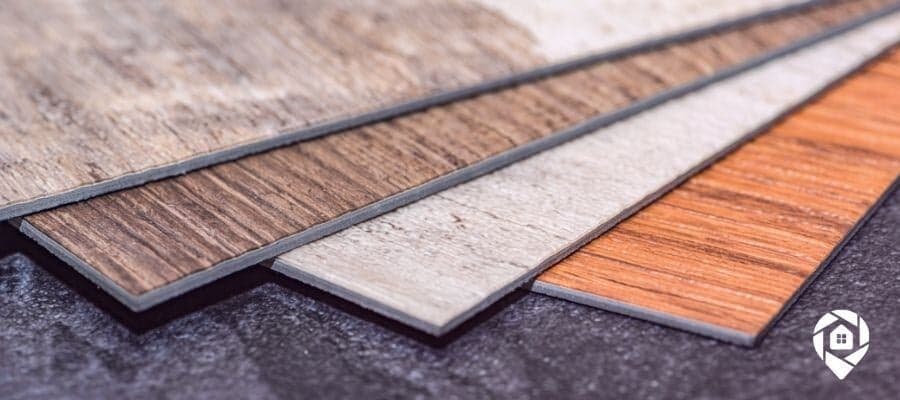

Picking the best flooring for rental properties is one of those decisions that may seem small but add up fast. The wrong choice means more repairs, faster replacement cycles, and unhappy tenants. The right choice protects your margins and keeps your property competitive in the rental market. Whether you are just getting started with your first rental or managing a growing portfolio, flooring is a foundational part of any renovation budget.
Why Flooring Matters More Than You Think
The Hidden Cost of the Wrong Flooring
Most new landlords underestimate how quickly flooring wears out. Carpet in a rental property rarely lasts more than five years because of regular tenant turnover. Between pet stains, heavy foot traffic, and normal wear, you end up replacing it far sooner than planned.
Hardwood is beautiful, but it scratches easily, and water damage from a single spill or pet accident can mean replacing entire planks. When you factor in refinishing costs over time and its sensitivity to moisture, hardwood becomes an expensive long-term bet in most rental settings.
The flooring you choose also directly affects how quickly you can turn over a unit. Floors that show wear, stain easily, or require professional cleaning slow down your ability to re-rent. That vacancy time has a real cost that shows up in your annual returns.
What Tenants Notice First
Tenants notice floors before almost anything else when they walk into a unit. Clean, modern flooring signals that the property is well-maintained. Worn or dated flooring does the opposite, affecting how much rent you can reasonably charge.
This does not mean you need to spend top dollar. It means choosing materials that look sharp, hold up well, and are easy to clean between tenants. That balance is exactly where smart flooring decisions pay off for investors.
Comparing Your Main Flooring Options
The four flooring types chosen by the majority of landlords are luxury vinyl plank, hardwood, tile, and carpet. Each has a place, but they are not equal in terms of rental performance. Here is a side-by-side look at what each one typically costs and what you can realistically expect from it in a rental setting.
|
Flooring Type |
Installed Cost (Per Sq. Ft.) |
Avg. Lifespan in Rentals |
Water Resistant |
Best For |
|
Luxury Vinyl Plank (LVP) |
$4 to $11 |
10 to 15 years |
Yes |
Whole unit |
|
Hardwood |
$9 to $25 |
25+ years (with refinishing) |
No |
Premium rentals only |
|
Tile |
$5 to $20 |
20+ years |
Yes |
Bathrooms, kitchens |
|
Carpet |
$4 to $12 |
4 to 6 years in rentals |
No |
Bedrooms (limited use) |
Luxury Vinyl Plank: Why It Dominates Rental Properties
What Makes LVP the Smart Choice
Luxury vinyl plank has become the most popular choice among rental property owners, and the numbers back that up. Installed costs typically range from $4 to $11 per square foot, depending on product quality, labor rates, and subfloor prep. That is a significant gap compared to hardwood, which runs $9 to $25 per square foot installed.
LVP is fully waterproof, scratch-resistant, and durable enough to handle years of tenant turnover without showing major wear. It mimics the look of hardwood or stone at a fraction of the cost, and unlike hardwood, it does not need refinishing every several years.
One of the biggest practical advantages is repairability. If a plank gets damaged, you can replace just that section rather than pulling up an entire floor. That keeps repair costs low and turnover timelines short, which is exactly what you need when managing multiple units.
What to Look for in an LVP Product
Not all LVP is created equal, and the difference matters in a rental. The wear layer is the most important spec to focus on. For rental properties, look for a minimum 20 mil wear layer. Thinner products in the 6 to 12 mil range are built for light residential use and will not withstand the kind of traffic and wear a rental unit sees year after year.
You will also want to choose between WPC (wood-plastic composite) and SPC (stone-plastic composite) cores. SPC is denser and more rigid, making it better suited for rentals that require maximum durability. WPC is softer underfoot and slightly more comfortable, but less tough overall.
- Look for a minimum 20 mil wear layer for rental use
- SPC core provides better durability than WPC for high-traffic environments
- Aim for 6mm to 8mm total thickness for a stable, solid feel
- Click-lock installation costs less in labor than glue-down methods
- Buy extra planks from the same dye lot for future repairs
Hardwood, Tile, and Carpet: When Each One Makes Sense
Hardwood: A Premium Play With Real Trade-Offs
Hardwood flooring can justify higher rent in certain markets, but it is not a practical choice for most rentals. Installation runs $9 to $25 per square foot, and that is before you factor in refinishing every eight to ten years, moisture sensitivity, and the cost of repairing scratches and pet damage.
If you own a higher-end rental in a market where tenants expect hardwood, it can work. Engineered hardwood, which costs $9 to $20 per square foot installed, offers a more stable middle ground because it handles humidity better than solid hardwood. For the average rental, the maintenance cost and repair risk are simply not worth it when LVP delivers a comparable look at half the price.
Tile: The Right Tool for the Right Room
Ceramic and porcelain tile are excellent in bathrooms, laundry rooms, and kitchens. Tile is nearly indestructible in wet environments and holds up well against water, heat, and heavy use. Installed costs range from $5 to $20 per square foot, depending on the material type, with porcelain at the higher end of that range.
Tile is harder underfoot and cold in cooler climates, which makes it a poor choice for living areas and bedrooms. A combination approach works well for most rentals: tile in wet zones, LVP everywhere else. You get the best durability characteristics of each material without overspending.
Carpet: Know When to Avoid It
Carpet is one of the cheapest options upfront, but one of the most expensive over time in a rental. Budget-to-mid-grade carpet with installation runs $4 to $12 per square foot, but plan to replace it every 4 to 6 years due to regular tenant turnover. It absorbs pet odors, stains easily, and has little tolerance for heavy use.
Most experienced landlords are pulling carpet out of their rentals entirely, keeping it only in bedrooms where market expectations call for it. If your market wants carpet in bedrooms, choose a stain-resistant, mid-grade product and budget for more frequent replacement than you would with hard flooring.
How to Think About Flooring as a Real Estate Investor
Total Cost of Ownership Is the Only Number That Matters
The upfront price per square foot is not the right metric. The right metric is total cost over the life of the floor, including installation, maintenance, repairs, and replacement frequency. When you run that math, LVP consistently wins for standard rental properties.
Carpet installed at $6 per square foot, which needs replacing every 5 years, costs more over a 15-year hold than LVP installed at $8 per square foot, which lasts 15 years without replacement. That is before factoring in the labor and turnover delays every time you pull carpet between tenants.
When you are learning how to invest in real estate, understanding renovation cost structures is one of the most important skills you can build early. Flooring is a high-frequency budget line that affects both your cash flow and your tenant experience, so it is worth getting right from the start.
How to Use Property Data to Make Smarter Renovation Decisions
The best flooring decision starts before you ever buy the property. When you know a property's after-repair value (ARV) and have a clear sense of your renovation budget, you can make intentional choices about where to spend and where to save. Spending $8 per square foot on LVP in a property where the ARV supports it is a very different decision than making the same choice in a property where the margins are tight.
DealMachine helps investors find and analyze off-market properties before they buy, so you are not guessing on renovation costs after the fact. With access to property data and comps, you can build a renovation budget that accounts for flooring, and use DealMachine's AI assistant Alma to quickly run property questions on the go. That kind of visibility changes how confidently you can move on deals.
Consistency Across Your Portfolio
Once you find an LVP product that works, standardize on it. Using the same plank style and color across your properties makes everything simpler. You can buy in bulk, keep spare planks on hand for quick repairs, and your contractors get faster and more efficient at installation.
Consistency also makes budgeting more predictable. You know your per-square-foot cost, typical installation time, and exactly what your per-unit flooring budget should include. That kind of operational discipline compounds as you scale.
Practical Tips for Choosing Rental Property Flooring
Match the Floor to the Market
A single-family rental in a suburban neighborhood and a downtown studio have different tenant expectations. In higher-end markets, spending more on a realistic wood-look SPC or engineered hardwood can support premium rents. In workforce housing, durability and easy maintenance matter more than visual sophistication.
Know your market and your tenant profile before you select a product. The goal is not the nicest floor you can install. It is the floor that delivers the best total return for that specific property and price point.
Always Get Multiple Bids
Flooring installation costs vary significantly by region, contractor, and subfloor condition. Always collect at least two or three bids before finalizing your renovation budget. Labor often equals or exceeds material cost, so this step has a real impact on your numbers.
Ask every contractor about subfloor preparation costs, removal of old flooring, and whether a moisture barrier is needed. These are common add-ons that can significantly affect your total budget if you do not account for them up front.
Factor Turnover Speed Into Every Decision
One underrated factor in flooring selection is how fast you can get the unit ready between tenants. LVP can typically be cleaned and re-rented within a day or two. Carpet may need professional cleaning or full replacement, adding several days to your vacancy window.
Fewer vacancy days means more rent collected over the life of the property. Over a ten-year hold with multiple turnovers, that adds up to a meaningful difference in returns. Choose materials that make your maintenance and turnover process as smooth and fast as possible.
The Bottom Line on Rental Property Flooring
For most rental properties, luxury vinyl plank with a 20-mil or thicker wear layer and an SPC core is the clear choice. It is durable, fully waterproof, competitively priced to install, and easy to maintain. It holds up through multiple tenant cycles, looks modern, and enables faster, less expensive turnovers.
That does not mean one-size-fits-all. Use tile in wet zones. Consider engineered hardwood in premium markets where it supports higher rents. Keep stain-resistant carpet in bedrooms only where the market demands it. The key is making deliberate decisions based on your property type, tenant profile, and renovation budget.
Good flooring decisions are a form of good investing. When you treat each property as a business and choose materials that serve your returns rather than just your aesthetic preferences, you build a more durable and profitable portfolio over time.
FAQs
What Is the Most Durable Flooring for Rental Properties?
Luxury vinyl plank with a minimum 20 mil wear layer and an SPC core is widely considered the most durable practical choice for rentals. It resists scratches, moisture, and heavy foot traffic, and holds up well through multiple tenant turnovers without needing refinishing or major repairs.
How Does LVP Compare to Hardwood in Cost for a Rental?
LVP typically installs for $4 to $11 per square foot, while hardwood runs $9 to $25 per square foot installed. Beyond the upfront gap, hardwood requires periodic refinishing and is far more vulnerable to water damage and pet wear, making its total cost of ownership considerably higher in a rental setting.
How Long Does LVP Flooring Last in a Rental Property?
Quality LVP with a thick wear layer can last 15 to 25 years in a residential setting. In an active rental with regular tenant turnover, a realistic estimate is 10 to 15 years before replacement, depending on the product's wear layer thickness and how tenants maintain the unit.
Should I Use the Same Flooring Throughout a Rental Property?
Using the same LVP style throughout main living areas, bedrooms, and hallways creates a consistent, modern look and simplifies future repairs. You only need to stock one type of spare planks. For bathrooms and kitchens, pairing LVP with tile in wet zones is a common and cost-effective approach.
What LVP Specs Should I Look for in a Rental Property?
For rental use, look for a minimum 20 mil wear layer, an SPC (stone-plastic composite) core for maximum rigidity, and a total thickness of at least 6mm. These specs ensure the product can handle the higher traffic and wear demands of a rental environment without prematurely degrading.