


Condemned houses are often overlooked in real estate, but they can offer big opportunities for investors. These homes are marked unsafe or unlivable by the government. If you know how to buy condemned houses, you can turn them into profitable investments. This guide breaks down what you need to know clearly and simply.
What Is a Condemned House?
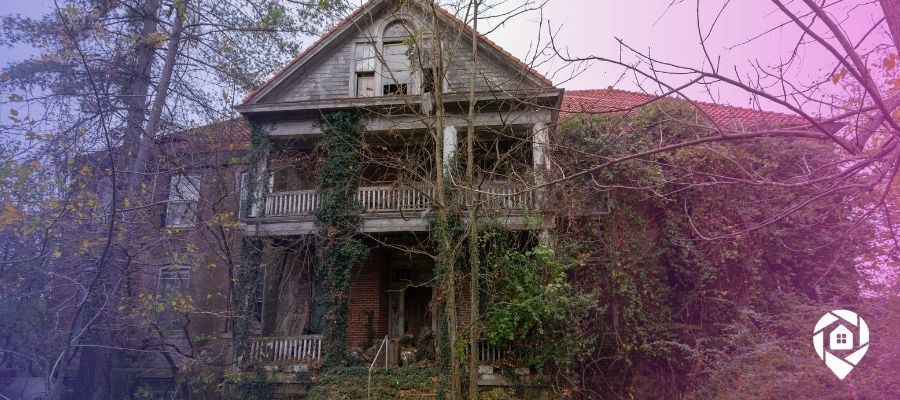
A condemned property is a home that local officials say is not safe to live in. This can happen for many reasons:
- Structural problems like a weak foundation or damaged roof
- Health hazards such as mold, lead paint, or asbestos
- No working utilities, like water or electricity
- Building code violations that make the home unsafe
When a house is condemned, people can't live in it until it is fixed. While that may scare off some buyers, smart investors see opportunity.
How to Identify Condemned Properties Before Others Do
Condemned houses aren’t always listed on traditional home-buying websites. That’s why finding them requires a little extra effort and knowing where to look.
Here are the top ways to identify condemned properties in your area:
1. Check Local Government Records
Most city or county governments keep lists of homes that have been condemned. These records are public and often include details about the property’s condition and the reason it was condemned.
- Start by calling your local building department or code enforcement office.
- Ask if they maintain a list of condemned or distressed properties.
- Many cities also post these lists online under public records or housing violations.
Getting familiar with your city’s process is a great first step toward spotting investment opportunities before others do.
2. Work with a Real Estate Agent Who Knows Fixer-Uppers
Not all agents deal with these types of homes, but the right one can be a major asset.
Look for real estate agents who specialize in:
- Fix-and-flip projects
- Distressed property investments
A good agent will know where to look, how to approach the seller, and how to guide you through the extra paperwork involved in buying a condemned house. Building a referral network with these agents can give you a leg up in competitive markets.
3. Use Online Databases That List Problem Properties
Websites that focus on auctions, foreclosures, or tax lien sales often include condemned homes. Find a real estate software or property data software like DealMachine to access data points on these properties, build a list of leads, or reach out to owners.
These sites may not label a property as "condemned," but the condition can often be guessed based on photos, pricing, and data points. Always verify with city records before moving forward.
4. Drive the Neighborhood (“Driving for Dollars”)
Sometimes the best way to find condemned houses is the old-school method: drive through areas where you want to invest. Look for:
- Boarded-up windows
- Tall, uncut grass
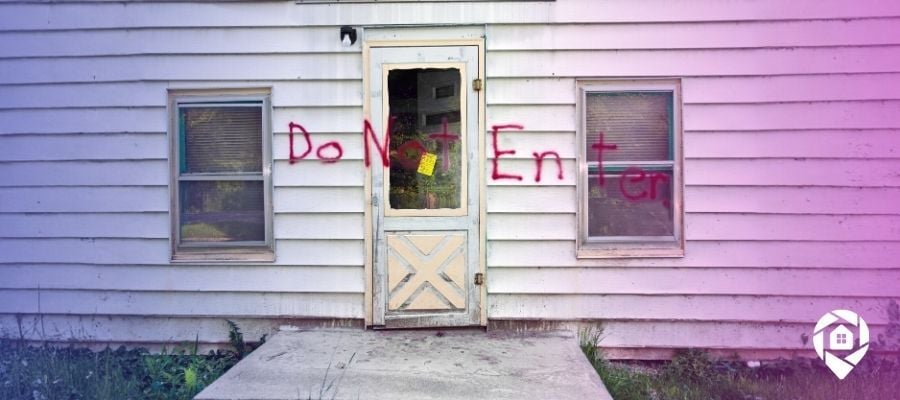
- Notices taped to the door or windows
- No signs of occupancy or maintenance
Once you spot a property, write down the address (or add it into DealMachine) and research its status.
-Nov-24-2025-07-46-37-5859-PM.jpg?width=900&height=400&name=Sam-%20Blog%20Banners%20(900%20%C3%97%20400%20px)-Nov-24-2025-07-46-37-5859-PM.jpg) Evaluating the Risks and Rewards of Buying a Condemned Property
Evaluating the Risks and Rewards of Buying a Condemned Property
Buying a condemned property can be a smart move, but only if you understand both the risks and the rewards. Every property is different, so it is important to look at the big picture before making a decision.
The Risks
These are the most common risks that come with buying condemned homes:
Legal Problems
Some condemned houses come with unpaid property taxes, property liens, or fines. If you buy the home, you might become responsible for these costs. Always check the title and legal status before making an offer.
Expensive Repairs
Renovating a condemned house usually costs more than a standard fixer-upper. You may need to replace electrical systems, plumbing, roofing, or even rebuild part of the structure to bring it up to code.
Resale Challenges
Even after repairs, some buyers may avoid a home with a history of being condemned. This could affect your ability to resell it or reduce the price you can ask for later.
The Rewards
If you do your homework, the rewards of buying a condemned house can be significant:
Low Purchase Price
Condemned homes are usually priced well below market value. That means you can get more property for less money, especially in areas with rising home prices.
High Return on Investment (ROI)
If you buy smart and renovate carefully, the value of the property can increase significantly. This allows you to resell it at a profit or generate steady rental income.
Less Competition
Most buyers are intimidated by the idea of buying a condemned property. That means fewer offers and more room to negotiate, especially if you can show the seller you understand what the home needs.
Balancing these risks and rewards will help you make smart, confident choices as you explore how to buy condemned houses and turn them into profitable opportunities.
Navigating the Purchase Process
Buying a condemned house takes more than just making an offer. You need to follow a few key steps to make sure your purchase is legal, safe, and financially smart.
Step 1: Learn Local Rules
Check your city or county laws. These will tell you what you can and cannot do with the property. A real estate attorney can help explain local codes and zoning laws.
Step 2: Get a Property Inspection
Always hire a certified inspector. They can tell you how bad the damage is and what repairs are needed to make the home livable again.
Step 3: Secure Financing
Traditional loans may not work for condemned homes. Look into hard money lenders, private funding, or government-backed rehab loans.
Step 4: Negotiate the Price
Use the property's poor condition as a bargaining tool. An experienced real estate agent can help you get the best deal.
Following these steps will help you reduce risk and improve your chances of turning the property into a successful investment.
Rehabilitating the Property
Once you've bought the property, the next step is to make it livable and valuable again. Planning and hiring the right team is key to a successful rehab.
Plan and Budget Carefully
Create a detailed renovation plan. Include timelines, costs, and room for surprise expenses. Focus first on repairs required by law or safety standards.
Hire Qualified Contractors
Use licensed and insured professionals. Check reviews and references. Good communication and clear contracts can help prevent delays and budget issues.
Add Value Through Smart Upgrades
Focus on improvements that boost the home’s market appeal. Kitchen and bathroom updates, curb appeal, and energy efficiency are top priorities.
With the right plan and team, you can transform a condemned property into a profitable asset.
Conclusion
Investing in condemned houses can be a smart strategy for the right buyer. These properties often come with lower prices and less competition, giving investors a chance to add value and generate solid returns. However, success depends on careful planning, legal research, and proper renovation.
By understanding how to buy condemned houses and following the steps in this guide, you can reduce risks and increase your chances of turning a neglected property into a valuable asset. With patience and smart decision-making, condemned homes can become profitable investments.
About Samantha Ankney
Samantha is the Social Media Manager at DealMachine, where she oversees all social media strategies and content creation. With 4 years of experience at the company, she originally joined as a Media Specialist, leveraging her skills to enhance DealMachine's digital presence. Passionate about connecting with the community and driving engagement, Samantha is dedicated to sharing valuable insights and updates across all platforms.