

How to Turn Fire-Damaged Homes Into Rental Gold in Washington

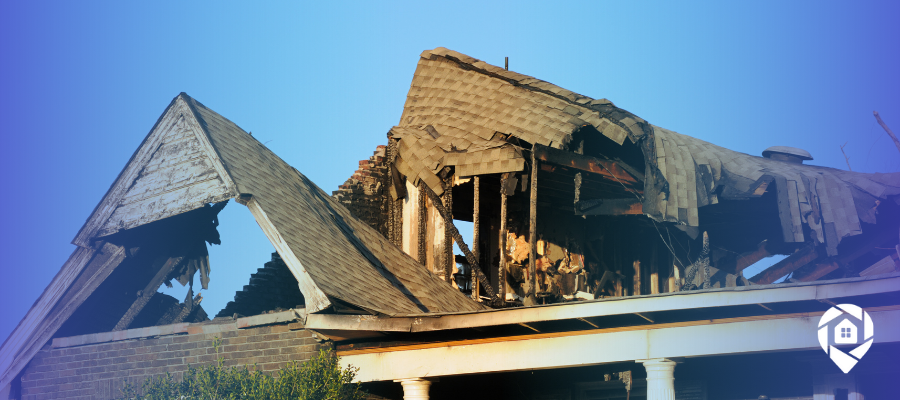
Doug Perez didn’t start out as a real estate investor. In fact, first job was responding to house fires, not to buy homes, but to fix them. As a restoration contractor, he spent years repairing damage from fires, floods, and other disasters.
Over time, he noticed something: many homeowners didn’t want to rebuild. They wanted to sell. He saw an opportunity, but didn’t know how to act on it.
That changed after joining a real estate investor community and learning how to make fair offers, structure financing, and use his existing skills to his advantage. Now, with over 10 properties across Washington, Perez has transformed his fire-repair business into a cash-flowing rental portfolio.
Find Hidden Deals Through Fire Restoration
In this episode of the DealMachine Real Estate Investing Podcast, Doug Perez shares how he turned fire-damaged homes into rental gold. Want to hear the full interview? Watch the full episode below:
Perez’s unique edge came from his day job. Each week, he’d come across homes with severe damage. Some didn’t have insurance. Others had overwhelmed owners who didn’t want to handle the rebuild. Thanks to a service app that alerts him to local emergency calls, he could look up properties by address and act fast.
Once on-site, he already knew the repair scope. What he didn’t know, at first, was how to structure a deal. After one missed opportunity where another investor swooped in, he committed to learning. That’s when he joined a program and built the confidence to begin making offers.
“I realized I already had two feet into the project, I just needed the mindset to buy it.”
Why Tri-Cities, WA Is a Hidden Gem for Investors
Perez focuses on the Tri-Cities region of southeastern Washington, where prices are significantly lower than Seattle or Spokane. Homes are affordable, and rents are strong, creating the kind of cash flow most coastal investors dream of.
He targets:
- Homes near freeways, golf courses, or event venues
- Larger lots with room to build ADUs
- Properties with alley access or corner exposure
Washington’s new ADU laws allow two ADUs per lot, with relaxed parking rules and no owner-occupancy requirement, opening the door for higher-density projects that still cash flow.
Using HELOCs and Portfolio Loans to Scale
Early on, Perez thought he’d need to save for every deal. Instead, he learned to leverage debt wisely. He used HELOCs (Home Equity Lines of Credit) from existing properties to fund purchases or rehabs, then paid them off with refinances.
He now works with lenders who evaluate his portfolio as a whole, not just property-by-property, and offer flexible financing options, including 15- and 30-year loans.
“Some homes I refi on 15 years to build equity faster. But if it’s a short-term rental, the higher income covers the heavier payment.”
From Flip to Hold: Learning the Power of Long-Term Wealth
Perez flipped his first property for a $35,000 gain. But he quickly saw the bigger picture. A home held as a rental offers:
- Monthly cash flow
- Appreciation
- Mortgage paydown
- Tax benefits
That flip now makes him shake his head. It’s worth far more today, and the passive income would have added up year after year.
Tailoring Rehab Based on Rental Strategy
Perez doesn’t rehab every home the same way. He customizes finishes based on the intended use:
|
Rental Type |
Design Focus |
|
Short-Term |
High-end finishes, staging, 60+ amenities |
|
Mid-Term |
Durable comfort for traveling nurses, temp workers |
|
Long-Term |
Low-maintenance, damage-resistant materials |
For example, short-term rentals have wood-trimmed windows for better photos, while long-term units may have basic drywall returns to reduce damage.
Why Hospitality Drives Airbnb Success
Perez admits he clashed with his short-term rental operator at first. She insisted on 60+ amenities, spotless checklists, and even personalized touches like flowers or cookies.
The results speak for themselves. One 4-bedroom Airbnb averages $3,500–$4,200/month (after her 20% fee). During peak season, it brought in $7,000/month gross.
“She has 1,200+ reviews. I realized, this is a hospitality business, not just another rental.”
Unlocking Value With ADUs and Condoization
Washington now allows more ADUs with fewer restrictions. Perez is adding multiple ADUs on some lots, including a three-bedroom, two-story unit he’s building for about $200K.
Comparable homes in the area sell for around $365K. That’s a $165K equity spread, plus $2,300/month in potential rent.
To fund ADU construction, Perez uses a powerful strategy: condoization. By legally splitting a lot into two condo units, he unlocks:
- Higher appraised values for each unit
- Up to 100% construction financing
- Easier resale or refi options
Screen Tenants and Reduce Risk
Washington’s landlord laws are strict. Perez avoids issues by carefully screening tenants:
- Credit score around 600 (but reviewed case-by-case)
- Income ~3x rent
- Employment history
- In-person lease signings with ID verification
He’s had applicants use fake credit reports, another reason he verifies identity and meets tenants face-to-face.
Systems and Tools That Keep the Machine Running
Perez stays hands-on with construction but uses smart tools to save time:
- Emergency call apps for fire-damaged home leads
- GIS tools to check sewer lines and home ages
- Automated lockboxes for self-showings
- DealMachine to find property owners fast
He also keeps close ties with local city staff, once cutting an ADU permit fee from $7,500 to $3,400 with a simple phone call.
Turning a Commercial Building Into Downtown Housing
Perez recently bought an 18,000-sq-ft, three-story commercial building. He’s converting it into 8–9 residential units. The city supports new housing downtown and is working with him to meet code, including installing sprinklers.
Final Takeaway: A Blueprint Anyone Can Follow
Doug Perez’s story shows what’s possible when trade skills meet smart investing. His process is simple, repeatable, and grounded in real numbers:
- Buy under market value
- Rehab in-house
- Match design to rental strategy
- Use HELOCs and portfolio loans to scale
- Add ADUs to boost income
- Treat short-term rentals like hospitality
- Screen tenants carefully in strict markets
“You’re already two feet into the project, just take the next step and buy it.”
For contractors, tradespeople, or service pros, this is a playbook worth copying. When you combine knowledge, hustle, and smart financing, you can build wealth, one well-bought property at a time.
FAQ
How do I find fire-damaged homes to invest in?
Use emergency service radio apps or local alert tools that show recent fire incidents. Combine that with property lookup tools like DealMachine to contact owners.
Can you get financing for homes with fire damage?
Yes. Some lenders offer loans for lightly damaged homes. Investors also use HELOCs or refinance strategies to access capital.
What is condoization and how does it help?
Condoization splits one lot into separate condo units, allowing each to appraise individually and unlock 100% construction loans.
How much does it cost to build an ADU in Washington?
Around $200/sq ft. A 1,000 sq ft ADU may cost $200K but appraise at $365K, creating equity and rental income.
What’s the best rental strategy: short, mid, or long-term?
It depends on location, competition, and income goals. Short-term works near events; mid-term suits nurses; long-term offers stability.
About Maria Tresvalles
Maria Tresvalles is the dynamic Marketing Specialist at DealMachine, where she has been a key player for the past five years. With a strong background in customer relations, Maria started her journey at DealMachine as a Customer Success Coordinator, where she honed her skills in understanding customer needs and driving satisfaction.