•


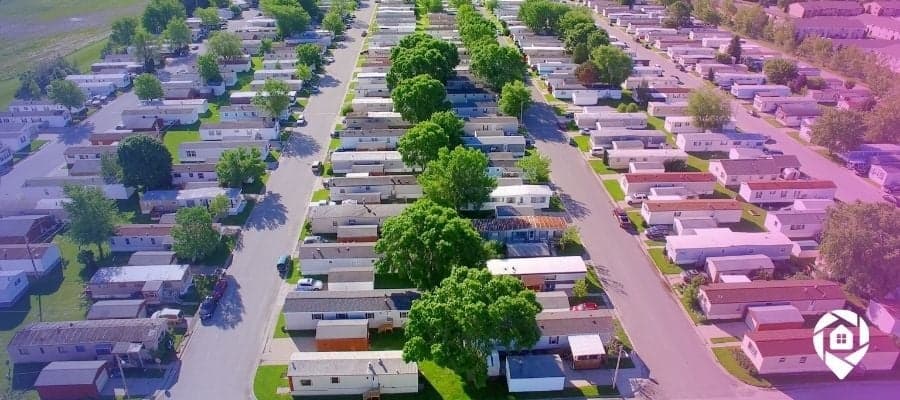

The Real Mobile Homes Pros and Cons Investors Need to Know: overview
Quick answer: Mobile homes are becoming a popular choice for real estate investors.
What this guide covers
- Understanding Mobile Homes
- Definition and Types
- The Pros of Investing in Mobile Homes
- The Cons of Investing in Mobile Homes
Mobile homes are becoming a popular choice for real estate investors.
This guide breaks down the mobile homes pros and cons. It will help you decide if this type of investment matches your goals. Whether you are new to real estate or looking for new options, mobile homes may be worth a closer look.
Understanding Mobile Homes
Mobile homes have become an important part of the affordable housing market. They are often grouped together with similar types of factory-built housing, but it’s important to understand the differences. Knowing what makes mobile homes unique can help investors spot opportunities and avoid confusion.
Definition and Types
The term “mobile home” usually refers to homes built in a factory before 1976. After that year, new federal building standards were introduced, and these homes have since been called manufactured homes.
Here are the main types:
- Mobile Homes: Factory-built homes made before 1976. These often need updates to meet today’s safety and energy standards.
- Manufactured Homes: Built after 1976 and meet HUD (Department of Housing and Urban Development) codes. These are the most common type in today’s mobile home parks.
- Double-Wides: A type of manufactured home made in two sections and joined on-site. They offer more space and feel closer to a traditional single-family home.
Understanding these types is key when weighing the mobile homes pros and cons for real estate investing.
The Pros of Investing in Mobile Homes
Mobile homes come with several advantages that make them attractive to real estate investors. From lower costs to steady demand, here are some key benefits:
1. Lower Purchase Costs
Mobile homes usually cost much less than traditional homes. This makes it easier for investors to get started without needing a lot of money. The lower price also means there’s a chance for higher returns on investment, especially when rented out.
2. Strong Demand Across Age Groups
There’s growing demand for affordable housing, especially from retirees, young families, and people with lower incomes. This steady demand helps mobile home investors keep their units full and income steady.
3. Flexibility and Mobility
Mobile homes can sometimes be moved, which adds flexibility. This feature is useful in areas where housing needs change due to jobs, seasons, or local economies.
4. Lower Maintenance and Operating Costs
Because of their size and simple construction, mobile homes often cost less to maintain. Investors usually spend less on repairs and upkeep compared to traditional single-family homes.
The Cons of Investing in Mobile Homes
While mobile homes offer some great benefits, they also come with challenges that investors need to consider. Here are the main drawbacks:
1. Depreciation
Unlike traditional houses, mobile homes usually lose value over time. This is called depreciation. It can make it harder to build long-term wealth through appreciation alone. However, keeping the home in good shape and placing it in a desirable location can help protect its value.
2. Financing Can Be Difficult
Getting loans for mobile homes isn’t always easy. Many banks treat them as personal property, not real estate. This makes financing for mobile homes more complicated. Investors may need to look into personal loans, local credit unions, or work with mobile home communities that offer in-house options.
3. Zoning and Land Use Rules
Some cities and towns have rules about where mobile homes can be placed. These zoning laws can limit your investment choices or require extra permits. Before buying, it’s important to research local rules and make sure the home is allowed on the land.
4. Slower or Limited Appreciation
Most mobile homes don’t go up in value like regular homes. While some might gain value in high-demand areas, it’s not common. Investors should focus more on monthly income rather than expecting big profits from selling later.
Investing in Mobile Home Parks
For some investors, buying a mobile home is just the beginning. A mobile home park can offer even more opportunities for steady income and long-term growth. Instead of owning one unit, you manage the land and sometimes the homes within an entire park.
Why Investors Like Mobile Home Parks
Mobile home parks can bring in regular monthly income. Most tenants stay long-term, which means fewer vacancies and less turnover. This stability makes it easier to plan and manage your business. You also have a chance to earn from multiple homes in one location, which can lower your overall costs and increase profit margins.
When tenants own their homes and just rent the lot space, maintenance becomes even easier. As the park owner, you may only be responsible for the land, utilities, and common areas, not the homes themselves.
Challenges to Keep in Mind
Running a mobile home park isn’t passive. It takes effort and planning. You’ll need to handle infrastructure repairs, maintain roads and shared spaces, and stay on top of tenant concerns. Good communication and strong management are key to keeping the park safe, clean, and profitable.
There are also legal and zoning issues to manage. Some areas limit new mobile home parks, so it’s important to understand local rules before you buy. Also, older parks may need upgrades to stay competitive, which can increase costs.
Still, for experienced mobile home investors, parks can offer a bigger return than single units if managed the right way.
See how one investor broke into the mobile home park investing space in the video below.
Conclusion
There are clear mobile homes pros and cons to think about. They offer low costs, steady demand, and easy upkeep. But they can also lose value, face zoning issues, and come with financing challenges.
If you’re thinking about investing in mobile homes, do your homework. Know your local rules, understand your budget, and focus on long-term planning. With the right strategy, mobile homes can be a smart and profitable part of your real estate portfolio.
FAQ about Mobile Homes
1. Are mobile homes a good investment?
They can be, especially if you’re looking for lower-cost properties with steady demand. However, you’ll need to watch out for issues like depreciation and zoning rules.
2. What’s the difference between a mobile home and a manufactured home?
Mobile homes were built before 1976. Manufactured homes are built after 1976 and follow HUD safety rules. Most mobile homes today are technically manufactured homes.
3. How do you finance a mobile home?
Financing for mobile homes can be harder than for regular houses. Some lenders offer personal loans, or you may find financing through a mobile home park or credit union.
4. Do mobile homes go up in value?
Usually not. Most lose value over time, but homes in good condition, located in strong markets, may hold or increase in value.
5. Can I rent out a mobile home for extra income?
Yes. Many investors rent out mobile homes for monthly cash flow. Just make sure the home is in a legal and desirable location.
Related DealMachine resources
The Real Mobile Homes Pros and Cons Investors Need to Know frequently asked questions
What should real estate investors know about The Real Mobile Homes Pros and Cons Investors Need to Know?
Mobile homes are becoming a popular choice for real estate investors.
How should investors use this guide?
Use the sections and examples in this guide as a starting point. Verify property, market, and local requirements before making an investment decision.
What tools can help real estate investors research this topic?
DealMachine helps real estate investors find property and owner data, organize leads, and manage outreach from one workflow.