•


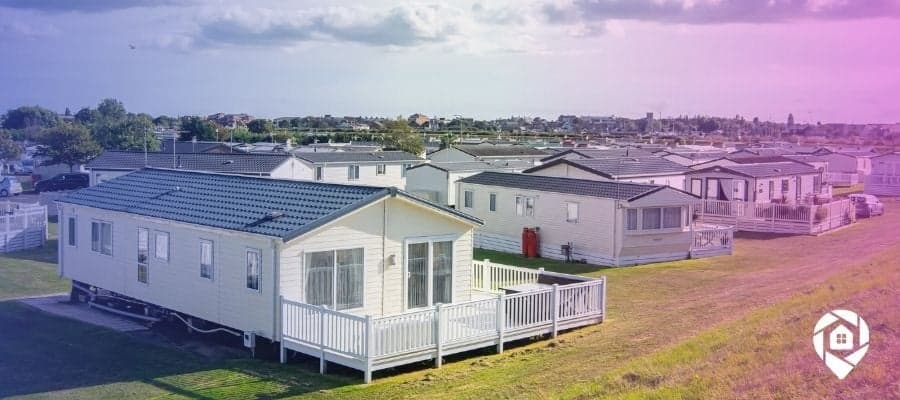

When people think about real estate investing, trailer homes aren’t always the first option that comes to mind. But in today’s market, with housing costs rising and demand for affordable living on the rise, trailer homes are getting a second look from investors.
This blog breaks down the pros and cons of investing in trailer homes. We’ll cover what trailer homes are, why they appeal to investors, and what challenges they might bring. Most importantly, we’ll answer the big question: are trailer homes good investments, or is your money better spent elsewhere?
Understanding Trailer Homes
Trailer homes are factory-built houses designed to be moved to different locations. You might hear other terms like mobile homes, manufactured homes, or double wides, and while they’re often grouped together, there are some key differences investors should understand.
Types of Trailer Homes
- Mobile Homes: Built before 1976, these were originally made to be moved frequently. Today, most stay in one place but still fall under older building standards.
- Manufactured Homes: Built after 1976 and regulated by HUD (U.S. Department of Housing and Urban Development). These are better constructed, safer, and more durable than older mobile homes.
- Double Wides: These are a type of manufactured home made of two joined sections. They offer more living space, often resembling small single-family homes.
- Modular Homes: These are not the same thing as manufactured homes and don't fall into the trailer homes category, but they are factory-built homes that are trucked in sections to the site. They must follow all local and state building codes.
Why the Differences Matter for Investors
Understanding these categories helps answer the question: Are trailer homes good investments? Newer, HUD-compliant manufactured homes tend to hold up better over time and may offer more financing and resale options. Older mobile homes may come at a lower price point but could involve higher maintenance and fewer lending opportunities.
Choosing the right type of trailer home can make a big difference in your return on investment, rental potential, and long-term costs.
Why Consider Trailer Homes for Investment?
With home prices rising across the country, many investors are looking for more affordable ways to get into real estate. Mobile home parks offer a lower-cost option that can still generate steady income and long-term value, if approached the right way.
So, are trailer homes good investments? Let’s look at why more people are starting to say yes.
1. Affordable Entry Point
Compared to traditional houses, trailer homes cost much less to buy. This means you can get started in real estate with less upfront capital. Lower prices also make it easier to build a portfolio over time. Plus if you are buying an entire trailer home park, you'll gain a lot of units or lots all at once.
2. High Demand for Affordable Housing
More families, retirees, and working professionals are looking for budget-friendly housing. This growing demand helps keep vacancy rates low and rental income consistent.
3. Potential for Strong Returns
Because the cost to buy is lower, the return on investment (ROI) can be higher. When managed well, trailer homes can bring in rental income that matches, or even exceeds, returns from more expensive properties.
4. Diverse Investment Strategies
Whether you want to rent out a single unit, flip a property, or own multiple homes in a mobile home park, trailer homes offer flexible investment options.
Challenges of Investing in Trailer Homes
While trailer homes offer plenty of benefits, there are also real challenges to consider. Like any real estate investment, there are risks involved, and understanding these ahead of time can help you avoid costly mistakes.
1. Depreciation Over Time
Unlike traditional homes, trailer homes usually decrease in value as they age. They’re often treated more like vehicles than real estate, especially if they’re not attached to land you own.
- Lower resale value down the road.
- It may not build long-term equity like a standard home unless you also own the land.
- It can make it harder to profit from a future sale.
2. Financing Can Be Difficult
Many lenders see trailer homes as higher risk, especially if they’re not permanently installed on a foundation. That means:
- Fewer loan options are available.
- Higher interest rates and stricter terms.
- May require more money upfront or alternative financing.
For some investors, this makes it harder to scale or start with low capital.
3. Zoning and Park Restrictions
Not all trailer homes can be placed just anywhere. Many cities and counties have strict zoning laws, and mobile home parks often have their own rules.
- Limits on where you can place or move a trailer home
- Park owners may charge high rent for lot space
- Rules may affect rental terms, upkeep, or resale
It’s important to research local regulations before buying to make sure your investment plans align with what’s legally allowed.
What to Know Before Investing in Trailer Homes
Before you make a decision, it’s important to look beyond just the pros and cons. Successful real estate investing always comes down to research, planning, and making smart choices. Here are some key things to keep in mind if you’re thinking about investing in trailer homes.
Location Still Matters
Just like with any real estate property, location is everything. The value and demand for a trailer home can vary greatly depending on where it’s placed.
- Look for areas with strong demand for affordable housing
- Consider proximity to schools, jobs, and shopping centers
- Research local laws, zoning, and mobile home park policies
A great location can lead to better rental income and lower vacancy rates.
Do Your Market Research
Before buying, take time to understand the local housing market. Ask yourself:
- Are there other trailer homes being rented nearby?
- How much are they charging?
- Is demand rising or falling?
Knowing the answers can help you spot smart investment opportunities and avoid buying in areas where demand is weak.
Pay Attention to Condition and Upkeep
A low-priced trailer home might look like a great deal, but it could come with hidden repair costs. Always:
- Get a full inspection before purchasing
- Factor in the cost of maintenance or upgrades
- Plan for long-term upkeep to protect your investment
Well-maintained homes rent faster and attract better tenants.
Tips for Successful Investment in Trailer Homes
Investing in trailer homes can be profitable, but like any real estate venture, success depends on your approach. Below are some practical tips to help you make smart decisions and avoid common pitfalls.
Conduct Thorough Inspections
Before buying any trailer home, arrange a professional inspection. This will help you identify structural issues, outdated systems, or potential repair costs.
- Check for water damage, plumbing issues, and roof condition
- Review the HVAC, electrical systems, and foundation (if applicable)
- Make sure the home meets local building codes and HUD standards if required
A full inspection helps protect your investment from unexpected expenses.
Focus on the Right Locations
Not all areas are equally profitable. Look for regions with high demand for affordable housing and limited competition from traditional rentals.
- Research rental rates for similar units
- Check for economic growth, job availability, and population trends
- Avoid areas with oversupply or park closures
Choosing the right location increases your chances of steady occupancy and solid returns.
Understand Your Financing Options
Financing trailer homes can be different from traditional homes. Some lenders may require higher down payments or offer shorter loan terms.
- Compare banks, credit unions, and private lenders
- Explore chattel loans for homes not attached to land
- Consider purchasing land and the home together for more financing flexibility
Understanding your loan options helps you choose the best fit for your budget and goals. If your unsure of what might be the best option for you, reach out to your financial advisor for guidance.
Budget for Maintenance and Upgrades
Ongoing maintenance is essential for keeping your trailer home in good condition and maintaining its rental appeal.
- Set aside a reserve fund for repairs and updates
- Keep the exterior and interior in good shape
- Respond promptly to tenant maintenance requests
A well-maintained home attracts quality renters and supports long-term profitability.
Negotiate Wisely
The purchase price affects your bottom line, so don’t be afraid to negotiate.
- Research comparable sales to guide your offer
- Look for motivated sellers or homes that need minor repairs
- Use inspection results to support price reductions
Smart negotiation can help you reduce upfront costs and improve your investment margin.
Check out the video below to see how Brad Johnson started investing in the trailer home space.
Conclusion
So, are trailer homes good investments? The answer isn't straightforward. It depends on various factors, including location, market conditions, and individual financial goals. While trailer homes offer intriguing opportunities due to their affordability and demand, they also present challenges like depreciation and financing hurdles.
The key to success lies in thorough research, strategic planning, and understanding the unique dynamics of the trailer home market.
FAQ
Are trailer homes good investments?
They can be. While they usually don’t increase in value, their low cost and strong rental demand can make them profitable when managed well.
Do trailer homes lose value?
Yes, most trailer homes depreciate over time, especially if they’re not attached to land. However, steady rental income can offset this.
Can you finance a trailer home?
Financing is possible, but terms can be stricter. Some lenders offer specific loans for mobile or manufactured homes.