•


A lot of people assume you need money to make money in real estate. Wholesaling proves that wrong. We researched how investors are breaking into the wholesale market with little to no upfront cash, and the path is more accessible than most people realize. The most common starting point is a phone, a car, and a willingness to follow up consistently.
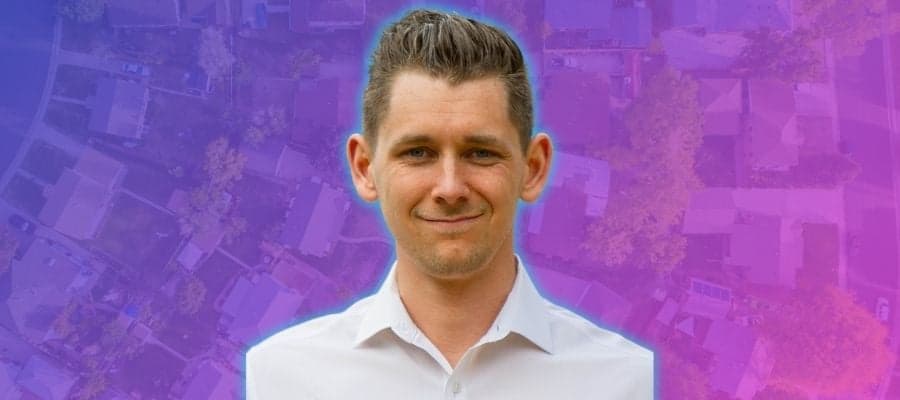
Aaron, a guest on the DealMachine REI Podcast, is a real example of this. He worked a day job, drove neighborhoods after his shift, and mailed sellers directly. By mid-2023, he had closed 15 wholesale real estate deals, including a single assignment check of $45,000. His first deal netted $13,000, and he put every dollar back into marketing.
That kind of result is not luck. It is a repeatable process built on consistency, the right pricing formula, and a clear understanding of how these transactions actually work.
What Is Wholesaling Houses?
Wholesaling is when you find a property, get it under contract with the seller, and assign that contract to a buyer for a fee. You never purchase the home yourself. You get paid for finding the deal and connecting it to someone who wants it.
This is why wholesaling houses with no money is possible. Your costs are not tied to buying a property. They are tied to finding one. The buyer pays your assignment fee at closing, and the transaction is complete.
The core requirements are motivated sellers, the right contract price, and a ready buyer before you close.
Understanding the Two Main Wholesale Transaction Types
Before you make your first offer, you need to understand the two ways wholesale deals actually close. Choosing the wrong structure can cost you a deal or expose you to legal risk.
Assignment of Contract
This is the most common method for new wholesalers. You sign a purchase agreement with the seller that includes an assignment clause. That clause gives you the right to transfer your position in the contract to another buyer for a fee.
Assignment contracts are straightforward and cost-effective. The main risk is transparency. The seller and buyer may both see your assignment fee at closing, which can sometimes create friction if the fee is large. Many title companies will disclose this on the settlement statement.
Double Closing (Simultaneous Closing)
A double closing involves two separate transactions. You first close on the property as the buyer, then immediately resell it to your end buyer. This keeps your profit private because the two closings happen back-to-back, often on the same day.
New wholesalers typically use a double close when the assignment fee is large enough that disclosure might cause the deal to fall apart. It requires transactional funding, which is short-term capital borrowed just long enough to close both sides. Many transactional lenders offer this specifically for wholesale deals, and the cost is typically a flat fee or a small percentage of the purchase price.
Knowing which structure fits your deal before you go under contract makes the whole process smoother for everyone involved.
Navigating the Legal Landscape of Wholesaling
This section matters. Wholesaling law is not uniform across the country, and the regulatory environment has been tightening in several states. Getting this wrong can result in fines or cease-and-desist orders.
What Makes Wholesaling Legal
The legal foundation of wholesaling rests on a clear distinction: you are not selling real estate. You are selling your contractual interest in a property. A signed purchase agreement gives you an equitable interest in that property. Assigning that interest to another buyer is different from acting as a licensed real estate agent representing a buyer or seller.
That distinction holds up in most states, but the specifics matter.
State-by-State Regulatory Snapshot
Wholesaling regulations vary significantly by state. The table below highlights key differences across several major markets. Always verify current rules directly with your state's Real Estate Commission before starting.
|
State |
Key Regulation |
Practical Impact |
|
Illinois |
Public marketing of properties you do not own requires a license |
Cannot advertise deals publicly without a license; private assignment to known buyers is generally permitted |
|
Oklahoma |
Specific disclosure requirements for wholesale transactions |
Must disclose your role as an equitable interest holder in writing |
|
Texas |
Generally wholesale-friendly; assignment contracts are widely used |
Work with a title company experienced in investor transactions |
|
Florida |
No specific anti-wholesaling statute; standard contract law applies |
Assignment contracts are common; double close is used for larger fees |
|
Georgia |
Generally permissive; active wholesale market |
Title companies familiar with the process; consult an attorney |
This table is a starting reference, not legal advice. Real estate law changes, and a one-hour consultation with a real estate attorney familiar with investor transactions is one of the most valuable investments you can make before your first deal.
How to Price a Wholesale Deal: The MAO Formula
Knowing what to offer is the most important skill in wholesaling. Overpay the seller, and your buyer walks. Underprice, and the seller walks. The formula investors use to solve this is called the Maximum Allowable Offer, or MAO.
The MAO Formula Explained
MAO = (After Repair Value x 0.70) - Estimated Rehab Costs - Your Wholesale Fee
Here is a step-by-step example using a real property scenario:
- After Repair Value (ARV): $200,000
- Rehab Estimate: $30,000
- Wholesale Fee: $10,000
The math:
- $200,000 x 0.70 = $140,000
- $140,000 - $30,000 = $110,000
- $110,000 - $10,000 = $100,000 Maximum Offer
That $100,000 is the most you should pay the seller while still leaving your buyer enough margin to profit after repairs. Staying at or below this number keeps your deal movable.
Estimating Repairs Without a Contractor
You do not need a contractor on your first few walkthroughs. Focus on the big-ticket items that drive most of the rehab cost in any market:
|
Repair Item |
Rough Cost Range |
|
Roof replacement |
$8,000 - $20,000 depending on size and material |
|
HVAC system (full replacement) |
$5,000 - $12,000 |
|
Foundation stabilization |
$5,000 - $30,000+ depending on severity |
|
Kitchen renovation (mid-grade) |
$15,000 - $35,000 |
|
Bathroom renovation (per bath) |
$5,000 - $15,000 |
|
Windows (full house) |
$8,000 - $20,000 |
|
Electrical panel upgrade |
$2,000 - $5,000 |
Build in a 10-15% cushion on top of your estimate. Surprises happen, and your buyer knows it. A realistic number with a buffer is more credible than a tight estimate that falls apart during due diligence.
DealMachine's platform lets you pull comparable sales data to estimate the after-repair value quickly while you are still at the property. Running a fast comp check before you leave saves you from chasing deals that will not pencil out.
How to Start Wholesaling Houses With No Money
Step 1: Learn Your Market
Pick one or two zip codes and study them. Understand what homes are selling for, what distressed properties look like, and where investors are actively buying.
Most county assessor websites offer free GIS mapping tools where you can search property ownership, tax status, and parcel data at no cost. This is a strong free starting point for building your initial outreach list before you invest in any paid tools.
Step 2: Build Your Buyer's List Before You Need It
This step gets skipped constantly. Before you lock up a deal, know exactly who will buy it.
Attend local real estate investor meetups. Join online investor groups in your market. Reach out to small builders in your area and ask what they are actively looking for and what price points work for them.
When you have two or three buyers who will actually close, you can move on a deal confidently. Aaron had builders identified before making offers on infill lots. That is why his deals moved quickly.
Step 3: Find Motivated Sellers
A motivated seller needs to sell, not just consider it. Look for these situations:
- Vacant or abandoned homes
- Properties with tax liens or code violations
- Owners going through probate or divorce
- Out-of-state landlords with problem tenants
Driving for dollars is one of the most effective low-cost methods available. You drive streets, note distressed properties, and follow up with the owners. DealMachine lets you tag properties and pull owner contact information in real time from your phone while driving, turning what used to take hours of manual research into a fast, in-field process.
Step 4: Make Offers and Get Under Contract
Once you identify a motivated seller, reach out with a direct mail piece, a text, or a phone call. Do not expect fast responses. Aaron consistently needed 13-15 touchpoints before sellers responded. Stay in front of them and keep following up.
When a seller agrees to your price, sign a purchase agreement that includes an assignment clause, or discuss the double-close route with your title company, depending on the deal size.
Step 5: Assign the Contract and Collect Your Fee
Once under contract, bring the deal to your buyer's list. The investor who wants the property pays your assignment fee at closing. Your fee is the spread between what you contracted with the seller and what your buyer agreed to pay.
No money out of pocket. You connected the deal. The deal pays you.
The Consistency Factor: Why Most People Quit Too Soon
Aaron said it clearly on the podcast: "It's very discouraging at the beginning, but it weeds everybody out."
The real barrier to wholesaling with no money is not cash. It is patience. Most people quit after a few unanswered mailers. The investors who build real pipelines keep mailing for months, sometimes over a year, before deals start coming in regularly.
The seller who ignores your postcard in January might be ready to sell in October. If you are still showing up in their mailbox, you get the call. Treat it like a job. Drive your routes. Send your mail. Track your numbers. That rhythm compounds over time.
Infill Lots: A Simpler Entry Point Many Investors Overlook
Aaron generated some of his strongest spreads not on houses, but on land. Specifically, infill lots in growing areas where small builders needed build-ready parcels.
The math on these deals: tie up a lot for $10,000 to $15,000, sell it to a builder for $30,000 to $35,000, and pocket the spread. No tenants. No inspection contingencies. No rehab estimates to stress over.
For someone starting without capital, infill lots can be an easier entry point. The evaluation is simpler. You are mainly checking width, depth, and zoning compliance. Builders are reliable buyers because they always need inventory in active markets.
The same MAO logic applies to land deals. Know what your buyer will pay, back out your fee, and make your offer accordingly.
A Practical 90-Day Action Plan
Build this routine and stick to it for 90 days minimum:
Week 1 to 2: Set Up Your Foundation
- Choose your two target zip codes
- Set up a free tracking spreadsheet to log leads and touchpoints
- Identify two to three potential buyers and have a conversation with each
Week 3 Onward: Build the Pipeline
- Drive for dollars three days a week, 90 minutes per session
- Tag properties and pull owner data in DealMachine as you go
- Send your first direct mail round and set a follow-up reminder at 30 days
Ongoing: Stay Consistent
- Follow up on every lead response the same day
- Re-mail the same owners monthly
- Track every touchpoint and note the response date
- Reinvest your first assignment fee into more marketing
Most people stop before this routine has time to produce. The investors who stay consistent are the ones who eventually get the calls.
FAQs
How much money do I need to start wholesaling houses?
You can start with a small budget focused on direct mail and driving for dollars. Many wholesalers fund their early marketing by reinvesting their first assignment fee. The real investment is time and consistent follow-up, not a large cash reserve.
Do I need a real estate license to wholesale?
Laws vary significantly by state and are actively evolving. In most states, assigning a purchase contract is legal because you are transferring a contractual interest rather than acting as an agent. However, states like Illinois have specific public marketing rules that require a license in certain situations. Always check with your state's Real Estate Commission and consult a real estate attorney before starting.
What is the difference between an assignment contract and a double close?
An assignment contract transfers your position in the deal to your buyer for a fee. A double close involves two separate transactions where you briefly take title before selling to your end buyer. New wholesalers typically use a double close when the assignment fee is large enough that disclosing it might create friction between the seller and buyer.
What is the MAO formula, and how do I use it?
MAO stands for Maximum Allowable Offer. The formula is: (After Repair Value x 0.70) minus estimated rehab costs minus your wholesale fee. This gives you the highest price you can offer the seller while still leaving your buyer enough margin to profit. Running this calculation before every offer keeps your deals movable and protects your buyers.
How long does it take to close a first wholesale deal?
It depends on your consistency and how quickly you build a buyer's list. Some investors close their first deal within 60 days. Others take six months or more. Having ready buyers and maintaining consistent seller outreach significantly shortens the timeline.