


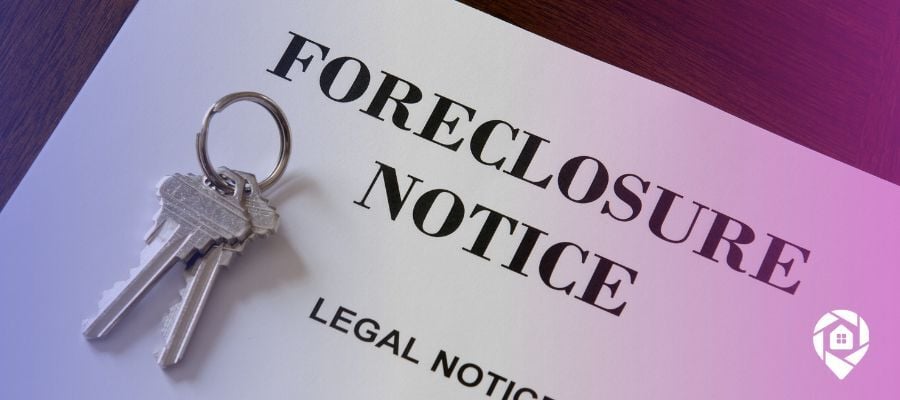
5 Tips to Find Foreclosure Homes for Investment

Getting started in real estate can feel overwhelming. There are so many strategies, lists, and tools that it is easy to get distracted. But if you want a simple and proven way to break into real estate, learning how to find foreclosure home deals is one of the best places to start.
Foreclosure properties often come with motivated sellers. That means they may be more open to selling quickly, negotiating price, or working out flexible terms. For investors, this creates real opportunities.
But here is the mistake many beginners make. They try to chase every type of deal at once. They look at vacant homes, tax liens, probates, and more. This can slow you down and make it harder to see results.
From real-world experience, focusing on one type of deal like foreclosures can help you grow faster. Instead of spreading your time thin, you build skills in one area and get better results.
In this guide, you will learn:
- How the foreclosure process works
- Where to search for deals
- How to use both online and local strategies
- Why focusing on foreclosures can give you an edge
Let’s start with the foundation.
1. Understand the Foreclosure Process Before You Invest
Before you jump in, you need to understand how foreclosure works. This will help you spot better opportunities and avoid costly mistakes.
A foreclosure happens when a homeowner stops making mortgage payments. The lender then takes steps to recover the property.
There are three main stages you should know:
Pre-Foreclosure
This is often the best place for investors.
- The homeowner has missed payments
- The property has not gone to auction yet
- The owner may be willing to sell to avoid losing the home
At this stage, you may be able to negotiate directly with the homeowner. Many sellers are looking for solutions, not just money.
Auction
If the homeowner does not resolve the debt, the property goes to auction.
- Properties are sold to the highest bidder
- Competition can be high
- You often need cash or fast financing
This stage can be risky if you are new, since you may not get time for inspections.
Real Estate Owned (REO)
If the home does not sell at auction, it becomes owned by the bank.
- Banks may list the property for sale
- These deals can be more straightforward
- Pricing may be closer to market value
Why Timing Matters
One key insight from real investors is this: the best deals often happen before the auction.
Homeowners facing foreclosure are usually dealing with stress, uncertainty, or major life changes. In many cases, they are open to working with someone who can help them move forward.
It is not always about offering the highest price. Many sellers care about:
- Time to move
- Avoiding eviction
- Reducing stress
That is why understanding timing gives you a huge advantage when trying to find foreclosure home opportunities.
2. Use a Real Estate Data Software
Technology makes it easier than ever to search for foreclosure properties. With the right platform, you can quickly spot new opportunities.
DealMachine is a real estate data software that allows you to search areas and filter by foreclosure status. Those properties can then be saved and viewed later.
Properties that fall under the preforeclosure status have received notices from the lender. While these properties will still currently be owned by the homeowner, they may be open to selling.
In the event that a property does reach foreclosure, the bank (or other lender) takes the property back. Lenders will then sell them at a discount, or put them up for auction.
DealMachine has all those details and provides contact information as well. Users now have the ability to reach multiple properties in a single day.
3. Focus Your Strategy Instead of Chasing Every Deal
This is where many investors go wrong.
It is tempting to go after every type of motivated seller. But trying to do everything at once often leads to confusion and burnout.
A smarter approach is to focus on one niche.
Why Foreclosure Investing Works
Foreclosure leads are often:
- Highly motivated
- Time-sensitive
- Easier to identify
Instead of searching for hidden deals, foreclosure opportunities are often public. You can find them through county records or auction listings.
This makes it easier to build a repeatable system.
Real-World Strategy That Works
Successful investors often:
- Track foreclosure lists weekly
- Focus on specific counties
- Revisit the same properties regularly
Some even build their entire business around foreclosure deals. By doing this, they become faster and more confident with each deal.
Another key lesson is consistency.
Instead of switching strategies every few weeks, stick with one approach long enough to see results. When you stay focused, you learn faster and improve your results over time.
Simple Action Plan
If you are just getting started, keep it simple:
- Choose 1 to 3 counties to focus on
- Check foreclosure listings every week
- Build a list of properties heading to auction
- Track them over time
This alone can help you start spotting patterns and opportunities.
4. Research Every Property Before You Make an Offer
Once you start to find foreclosure home deals, the next step is doing your homework. Not every deal is a good deal, even if the price looks low.
Good research helps you avoid costly mistakes and protects your investment.
What to Look for First
Start with the basics:
- Property condition
- Location and neighborhood
- Estimated repair costs
- Comparable home prices nearby
Even a quick review can help you decide if a deal is worth your time.
Check the Property History
Foreclosure homes can come with hidden issues. Before making an offer, look into:
- Past ownership records
- Outstanding liens or unpaid taxes
- Previous sale prices
Some properties may have multiple debts tied to them. If you skip this step, you could inherit those problems.
Use Simple Tools to Help
You do not need expensive software to get started. Many investors use tools like:
- DealMachine for finding and tracking properties
- County records for foreclosure listings
- Google Maps to view the property and area
These tools help you stay organized and make better decisions.
Always Estimate Repairs
One of the biggest mistakes in foreclosure investing is underestimating repair costs.
Many foreclosure homes:
- Have been neglected
- Need major updates
- May have damage inside
If possible:
- Walk the property
- Bring a contractor
- Add a buffer to your repair estimate
A good rule is to expect surprises and plan for them.
5. Be Ready to Act Fast and Close the Deal
In foreclosure investing, speed matters. The best deals often go to the person who can act quickly and confidently.
Get Your Finances Ready
Before you start making offers:
- Get pre-approved for a loan
- Have proof of funds ready
- Know your budget
This allows you to move fast when the right deal appears.
Understand the Timeline
Foreclosure deals often have tight deadlines.
Some properties may go to auction in:
- 30 days
- 14 days
- Even less than a week
That means every day counts.
From real-world experience, delays can cost you deals. Unexpected issues like title problems or required documents can come up at the last minute.
Being prepared helps you stay in control.
Make Smart Offers
When making an offer:
- Stick to your numbers
- Do not overpay out of emotion
- Leave room for repairs and profit
At the same time, be realistic. Sellers in foreclosure are often dealing with urgent situations, so clear and simple offers work best.
How to Talk to Homeowners in Pre-Foreclosure
If you want better results, you need to understand the human side of the deal.
Many new investors focus only on price. But experienced investors know that helping the seller solve their problem is what really closes deals.
Why Sellers Are Motivated
Homeowners in pre-foreclosure are often facing:
- Financial stress
- Family changes
- Job loss or unexpected expenses
In many cases, they feel overwhelmed and unsure of what to do next.
Focus on Helping First
A strong approach is simple:
- Ask about their situation
- Listen more than you talk
- Offer solutions, not pressure
Some sellers may not even know they can sell before the auction. When you explain their options clearly, you build trust.
Offer Real Solutions
Money is not always the main problem.
Many sellers care about:
- Time to move
- Avoiding eviction
- Keeping stability for their family
Some investors offer flexible solutions like:
- Extra time to move out
- Help with relocation
- Covering certain costs
This approach makes your offer stand out, even if it is not the highest.
Why Direct Contact Works
Many foreclosure homeowners get constant calls and messages.
But fewer investors take the time to:
- Visit the property
- Have a real conversation
- Show up in person
This simple step can increase your chances of closing a deal because it builds trust quickly. At just 17 years of age, Porter Krumpe uses DealMachine along with door-to-door contact and already closes on two deals a month. See why his strategy paid off below.
Frequently Asked Questions (FAQ)
What is the best way to find foreclosure homes?
The best way is to combine online tools with local research. Check listing sites, county records, and auction schedules regularly.
Is foreclosure investing good for beginners?
Yes. It can be a great starting point because foreclosure properties are easier to identify and often involve motivated sellers.
Can I buy a foreclosure without cash?
Yes, but it depends on the stage. Auctions often require cash, while pre-foreclosure and REO properties may allow financing.
What is the biggest risk in foreclosure investing?
The biggest risks are hidden repair costs and unpaid liens. That is why research is so important.
How do I know if a deal is worth it?
Compare the purchase price, repair costs, and after-repair value. Make sure there is enough margin for profit.
Final Thoughts: Start Simple and Stay Consistent
Learning how to find foreclosure home opportunities does not have to be complicated.
The most successful investors keep it simple:
- Focus on one strategy
- Take consistent action
- Learn from each deal
Foreclosure investing rewards those who stay patient, focused, and prepared.
What's Next?
If you are ready to take the next step, start by choosing one market and tracking foreclosure properties this week.
Want more tips like this?
Take a look at our blog for simple, actionable real estate strategies that help you grow faster.
About Ryan Hewitt
Ryan Hewitt is the Head of Customer Success at DealMachine, where he’s focused on helping real estate investors win, plain and simple. He leads the teams and strategies behind onboarding, retention, and growth, making sure customers don’t just use the platform, but truly scale with it.